
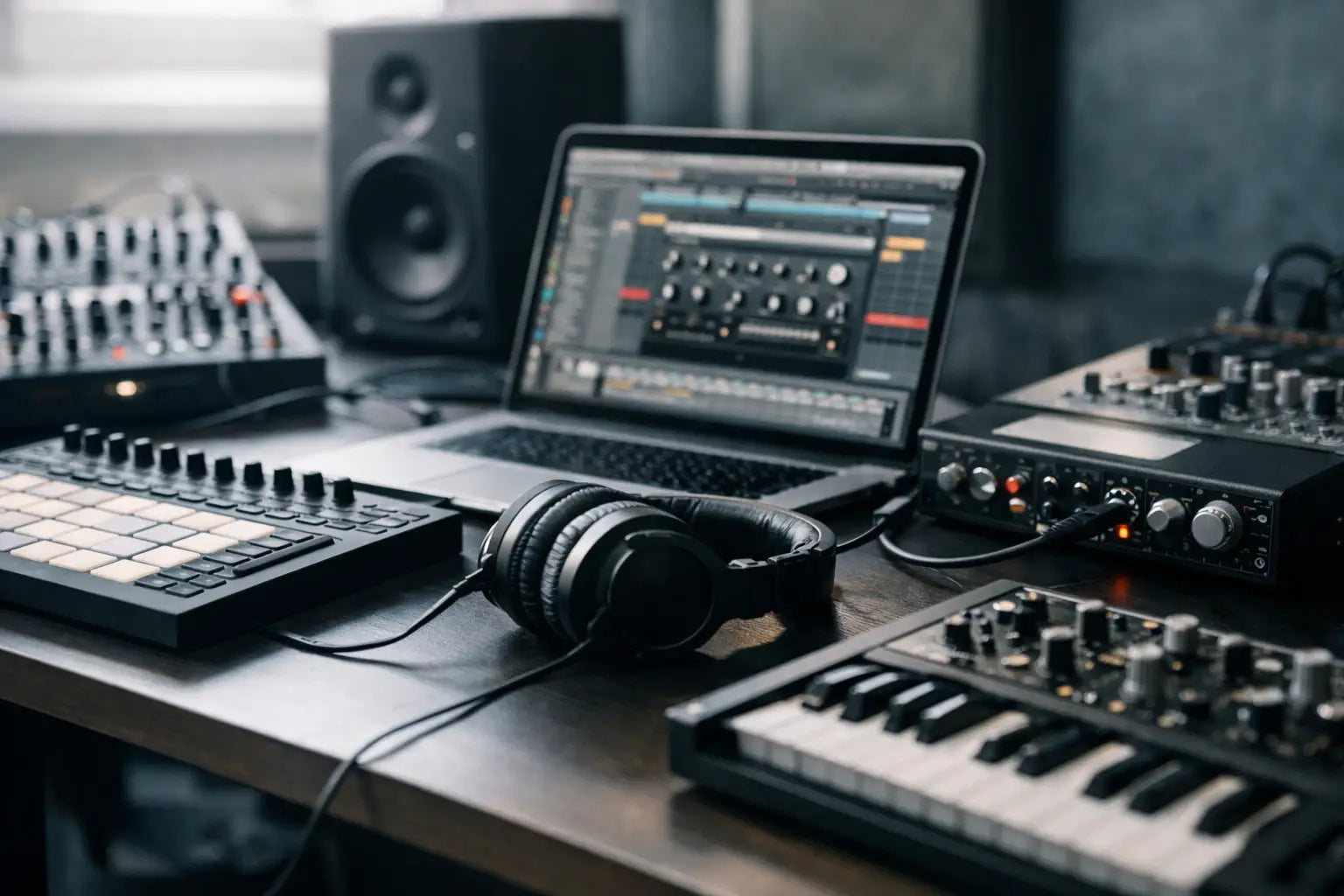
That moment when the kick hits right but everything around it feels generic is usually when producers start looking at bundles. A solid techno production bundle guide is not about buying more files. It is about choosing a focused set of sounds that actually gets you from loop ideas to finished club records faster.
Techno producers do not usually struggle with having too few sounds. The real problem is having too many average ones. You waste time auditioning weak drums, fixing muddy tops, or forcing synth loops into tracks they were never built for. A well-built bundle cuts that out. It gives you a tighter palette, stronger mix-ready material, and enough variation to keep your tracks moving without sounding like preset demos.
What a techno production bundle should actually include
A bundle is only useful if the contents solve real production bottlenecks. For techno, that usually starts with drums. You need kicks with weight and definition, hats that sit without harshness, claps and snares that cut through dense arrangements, and percussion that adds movement without crowding the low mids.
The next layer is groove material. This is where a lot of bundles either help a lot or miss completely. Good techno groove content includes top loops, rides, shuffled percussion, and rhythm tools that already feel engineered for club playback. Bad groove content feels overprocessed, too busy, or genre-confused. If it sounds more like festival EDM than warehouse techno, it will fight your arrangement from bar one.
Bass and synth content matter too, but they need to be flexible. In techno, a great one-shot or preset can often outperform a flashy melodic loop because it gives you control. You can write your own sequence, lock it to your groove, and make the track feel yours. Loops are still valuable, especially for atmospheres, stabs, textures, and transitions, but the best bundles do not force you into one finished musical idea.
Vocals are more situational. If you make raw, driving, hypnotic techno, you may only want sparse spoken phrases, processed textures, or chopped hooks. If you lean melodic or peak-time, fuller vocal elements can work. The key is fit. A vocal folder is not a selling point by itself if the tone clashes with the kind of records you are trying to make.
Techno production bundle guide: how to choose the right one
The fastest way to pick the wrong bundle is to shop by discount alone. Big file counts look great on a product page, but file count does not equal value. If 70 percent of the content is filler, you are paying for clutter.
Start with genre accuracy. Techno is a wide lane. Industrial, peak-time, hypnotic, melodic, raw, hard groove, and crossover club techno all need different source material. Before you buy anything, ask what kind of tracks you are actually finishing now, not what you might make someday. If your recent projects sit around dark rolling grooves and stripped arrangements, you do not need a bundle packed with huge trance-coded leads.
Then check format balance. Some producers want mostly one-shots and presets because they prefer to program everything from scratch. Others want construction-ready loops that speed up arrangement. Neither approach is better. It depends on your workflow. If you sketch tracks fast and replace sounds later, loops may give you the fastest win. If you are more detail-focused and want long-term flexibility, one-shots, MIDI-ready sounds, and presets will go further.
Mix readiness is another filter that matters. Club-focused sounds should already feel clean, controlled, and current. That does not mean over-limited or flattened. It means the kick is usable, the hats are shaped, the bass is solid, and the synth content does not need rescue EQ just to sit in a rough mix. Strong bundles save time because they reduce corrective work.
When bundles beat individual packs
Buying single packs makes sense when you know exactly what is missing. Maybe your drum library is strong but your techno presets are weak. Maybe you only need vocal textures for a specific EP. In those cases, individual packs are cleaner.
Bundles win when your whole workflow needs tightening. If you are building sketches with random samples from five different eras and none of them sound like they belong together, a curated bundle can reset your palette. That consistency matters more than people think. Tracks come together faster when the drums, synths, effects, and atmospheres share the same sonic world.
There is also a budget angle. If you regularly buy across categories, bundles usually give you better value. But the real savings are not just financial. The bigger gain is speed. Fewer weak choices, fewer mismatched files, fewer hours fixing source sounds that should have worked immediately.
The signs of a high-quality techno bundle
A strong techno bundle feels intentional. The drums hit with authority, but they are not all exaggerated. The loops have movement, but they leave room for your own arrangement. The presets sound modern without relying on gimmicks. And the FX folder does not feel like an afterthought.
Look for curation over volume. Twenty kicks you would actually use are better than two hundred that all sit in the same muddy range. The same goes for hats, bass loops, and synth phrases. Quality libraries help you make decisions faster because the dead weight has already been removed.
Producer relevance matters too. If the sounds feel like they were designed by people who actually understand current club records, you hear it right away. The transients are better judged. The groove content makes more sense. The tonal material sits closer to what DJs are playing now. That is a major reason producers gravitate toward specialized brands like Hot Grooves instead of broad, all-genre libraries.
How to use a bundle without making generic tracks
This is the part a lot of producers get wrong. Buying a great bundle does not mean dragging in four loops and calling it finished. The point is to start from stronger material, then shape it.
Use loops for direction, not dependency. A top loop can establish momentum in seconds, but you should still edit it. Slice it, mute parts, layer your own percussion, resample it, or automate filters so it evolves with the track. The same applies to synth loops. Great source material should speed you up, not replace your identity.
Presets are where customization gets easy. If a bass preset gives you the right weight and texture, change the sequence, tweak the envelope, automate the cutoff, and make it respond to your groove. One solid preset can become three distinct sections if you treat it like a starting framework instead of a final sound.
One-shots are often the secret weapon. A sharp stab, textured hat, or weighty kick can define the whole record when programmed well. Producers chasing originality sometimes overlook the simple stuff, but smart sound selection usually beats overcomplicated design.
Build your bundle around your weak point
If your tracks already have strong arrangement but weak sonics, focus on drums, bass, and mix-ready synth tools. If your drums knock but your tracks lack personality, textures, atmospheres, vocals, and unusual percussion may be the better move. If you struggle to finish songs, look for bundles with construction-friendly loops and presets that help you get from eight bars to a full arrangement faster.
This is where honesty helps. A lot of producers shop aspirationally. They buy for the artist they want to become instead of the problems they actually need to solve this week. That usually leads to unused folders and stalled sessions.
A better approach is practical. Open your last five unfinished projects and see what keeps failing. Is it drum selection, low-end design, topline movement, transitions, or overall cohesion? The right bundle should plug that gap directly.
A smarter way to judge value
Do not judge a bundle by the headline number of files. Judge it by how many finished tracks it can realistically help you make. If one bundle gives you six kicks you trust, ten top loops you can build around, a handful of bass tools that sit immediately, and presets that feel current, that can carry months of work.
By contrast, a giant folder full of average material can slow you down. Too many choices create hesitation. Too much inconsistent processing creates mix problems. Too many genre-adjacent sounds pull the track away from where it needs to go.
The best bundles feel smaller than they are because everything has a job. That is what producers should pay for - usable content, current sound, and fewer wasted decisions.
If you are shopping with intent, the right techno bundle is not just a discount play. It is a workflow upgrade that helps you get to stronger records with less friction. Pick one that matches your lane, fits your process, and gives you sounds you want to use the same day you download them. That is usually the difference between another hard drive archive and your next finished track.
How to Layer Techno Percussion That Hits
What Makes Club Ready Drum Loops Work