
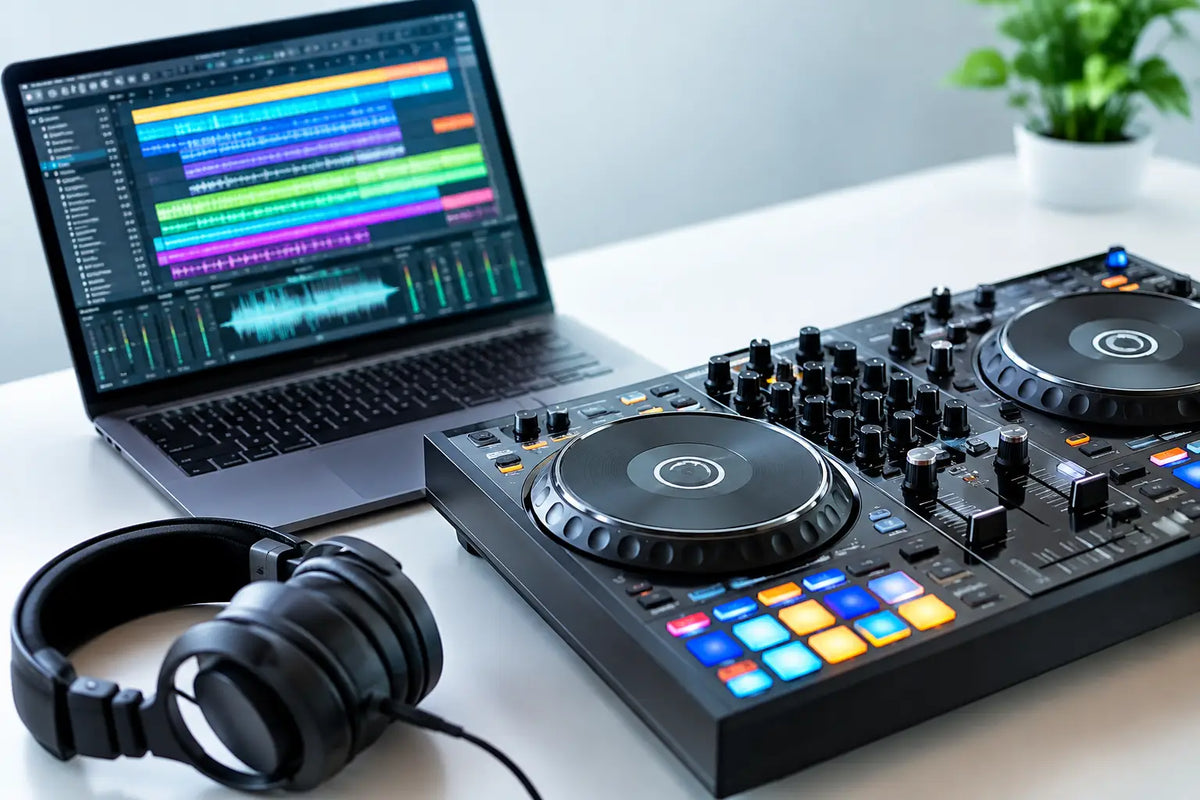
A blank project rarely needs more options. It needs the right kick, a percussion loop with movement, a bass sound that holds the room, and a vocal hook that gives the record a reason to exist. That is why top dance music bundles can be a smarter buy than collecting disconnected sounds one pack at a time. The right bundle gives you a focused palette built to work together, so your sessions move from idea to arrangement without the usual sample-folder drift.
For club-focused producers, that speed matters. Whether you are writing Afro House, Tech House, Melodic Techno, Techno, Bass House, or EDM, the goal is not simply to fill a hard drive. It is to get to a polished, DJ-ready result with fewer dead ends.
What Makes Top Dance Music Bundles Worth Buying?
A strong bundle is more than a discounted stack of sample packs. It should solve a practical production problem: give you enough compatible material to build several tracks while keeping the sonic identity clear. Drums should share a similar level of punch and character. Bass loops and synth parts should feel at home beside the percussion. Vocals, effects, and presets should support the same kind of dancefloor energy rather than pulling a track in five unrelated directions.
That cohesion saves time at every stage. You spend less time auditioning sounds, less time repairing clashing frequency ranges, and less time trying to make a random loop fit the mood of your arrangement. It also helps newer producers hear how a genre is constructed. A well-curated Tech House collection, for example, reveals the relationship between a tight low end, shuffled percussion, short vocal phrases, and restrained but effective synth hooks.
There is a financial upside, but price alone should not lead the decision. A huge bundle is poor value if you only use five percent of it. The best option is the one that gives you repeatable building blocks for the music you actually make. If you finish three stronger records with it, that is a better return than a massive library that leaves you scrolling for an hour.
Choose a Bundle by the Tracks You Want to Finish
Genre labels help, but they are only the starting point. Before choosing a bundle, think about the records currently in your project folder. Are you making rolling, groove-led club tracks? Are you looking for dramatic melodic tension? Do you need aggressive bass movement and big drops? Your answer should shape the sounds you prioritize.
For Afro House and groove-led records
Look for organic percussion, hand drums, shakers, textured tops, deep but controlled kicks, and musical elements that add warmth without crowding the mix. Vocal chants, atmospheric instruments, and rhythmic synth phrases can be particularly useful, but they need to feel tasteful rather than generic. A good Afro House-focused bundle should help you create motion through layering and rhythm, not just through a louder drop.
Pay attention to whether the loops are supplied at useful tempos and whether the percussion is available as one-shots as well. Full loops create instant momentum; one-shots let you reshape the groove into something more personal. Having both is what turns a starting point into a track with your own fingerprint.
For Tech House and Bass House pressure
These styles demand immediacy. Prioritize weighty kicks, clean claps, punchy percussion, bass loops with a clear central character, and short vocal cuts that can carry a hook. The best materials leave room for the kick and bass to do their job. If every loop arrives heavily processed and packed across the entire spectrum, your mix can become crowded quickly.
Serum presets can be especially valuable here when they are designed for the genre rather than added as an afterthought. A usable preset library should cover basses, stabs, leads, plucks, and risers that respond well to automation. You still need to shape the sound for your track, but a solid preset can get you to the right energy in minutes instead of designing from scratch.
For Melodic Techno and deeper club arrangements
Melodic productions benefit from bundles with atmosphere as well as impact. Seek evolving arps, emotional chords, analog-leaning synth textures, rolling percussion, cinematic effects, and vocals that add character without forcing a full pop-song structure. These are records built through progression, so the individual sounds need enough detail to stay interesting over a longer arrangement.
Be selective with melodic loops. They can be inspiring, but a recognizable chord progression or topline can make your track feel too dependent on the source material. Use them as a sketch, then change the MIDI, resample the audio, build counter-melodies, or layer your own sound design around them. The bundle gives you momentum; the final identity still comes from your decisions.
For Techno and EDM
Techno producers often need functional, mix-ready tools: driving drums, rumble-friendly kicks, industrial hits, hypnotic sequences, tension effects, and stripped-back synth elements. The useful bundle is not necessarily the one with the most dramatic sounds. It is the one that supports repetition, variation, and controlled intensity across a full DJ arrangement.
EDM can call for a broader range - large drums, sharp builds, leads, supersaws, vocal chops, and transition effects - but quality control matters even more. You want sounds that hit hard without requiring endless cleanup. A mix-ready source does not mean you skip mixing. It means the core sample was designed with enough clarity that your processing enhances it instead of rescuing it.
Check the Contents Before You Commit
A bundle page should make it easy to see what you are getting. Look beyond the total file count and assess the balance of formats. If you write quickly from audio, loops and construction-ready elements may be the priority. If you prefer programming every rhythm and melody, one-shots, MIDI, and presets may be more valuable.
Four areas deserve a close look:
- Drum content: Kicks, claps, hats, percussion, and fills should give you both foundation and variation.
- Musical tools: Bass, synth, chord, and melodic material should match the genre without locking every track into the same arrangement.
- Vocal options: Phrases, chops, ad-libs, and hooks should be usable in a club context and clearly licensed for commercial production.
- Production assets: FX, risers, impacts, MIDI, and presets can speed up transitions, automation, and final arrangement work.
Use Bundles Without Making Every Track Sound the Same
The trade-off with any curated sound collection is obvious: convenience can become repetition if you reach for the same loop and preset unchanged. The answer is not to avoid bundles. It is to treat them as high-quality source material.
Start by building a fast eight- or sixteen-bar idea from the pack. Then make deliberate changes. Chop a percussion loop into separate hits. Layer a clap with a quieter texture. Print a preset to audio and resample a phrase. Swap the notes of a bass MIDI pattern, alter the rhythm, or automate the filter until the movement belongs to your arrangement. Small edits add up quickly.
This approach also keeps your tracks competitive. Modern dance records often share familiar sound palettes because they are made for the same systems, rooms, and DJ sets. Originality is not about rejecting a strong kick or a current vocal style. It is about how you combine those elements, where you create contrast, and how you make the groove feel like yours.
Build a Lean, Useful Production Library
It is tempting to buy every genre bundle that catches your attention. A smarter approach is to build around your primary lane first. Choose one or two collections that cover your core genre thoroughly, then add a complementary palette when you need contrast. A Tech House producer might add organic percussion for more human groove. A Melodic Techno producer might bring in tougher drums for peak-time sections.
This is where focused, producer-built catalogs such as Hot Grooves can make sense: you can shop by the sound you are actually trying to create rather than sorting through broad, unfocused libraries. Keep your best sounds in favorites folders inside your DAW, tag the presets and samples that consistently work, and review what you already own before buying more.
Your next track does not need another hundred folders. It needs a few sounds that make you want to keep producing after the first loop is running. Choose a bundle that fits your lane, reshape the strongest material, and put the saved time into the arrangement choices listeners will remember.
Mix Ready Sample Selection for Better Club Tracks
Why Do My Loops Clash? Fix Your Mix Fast