
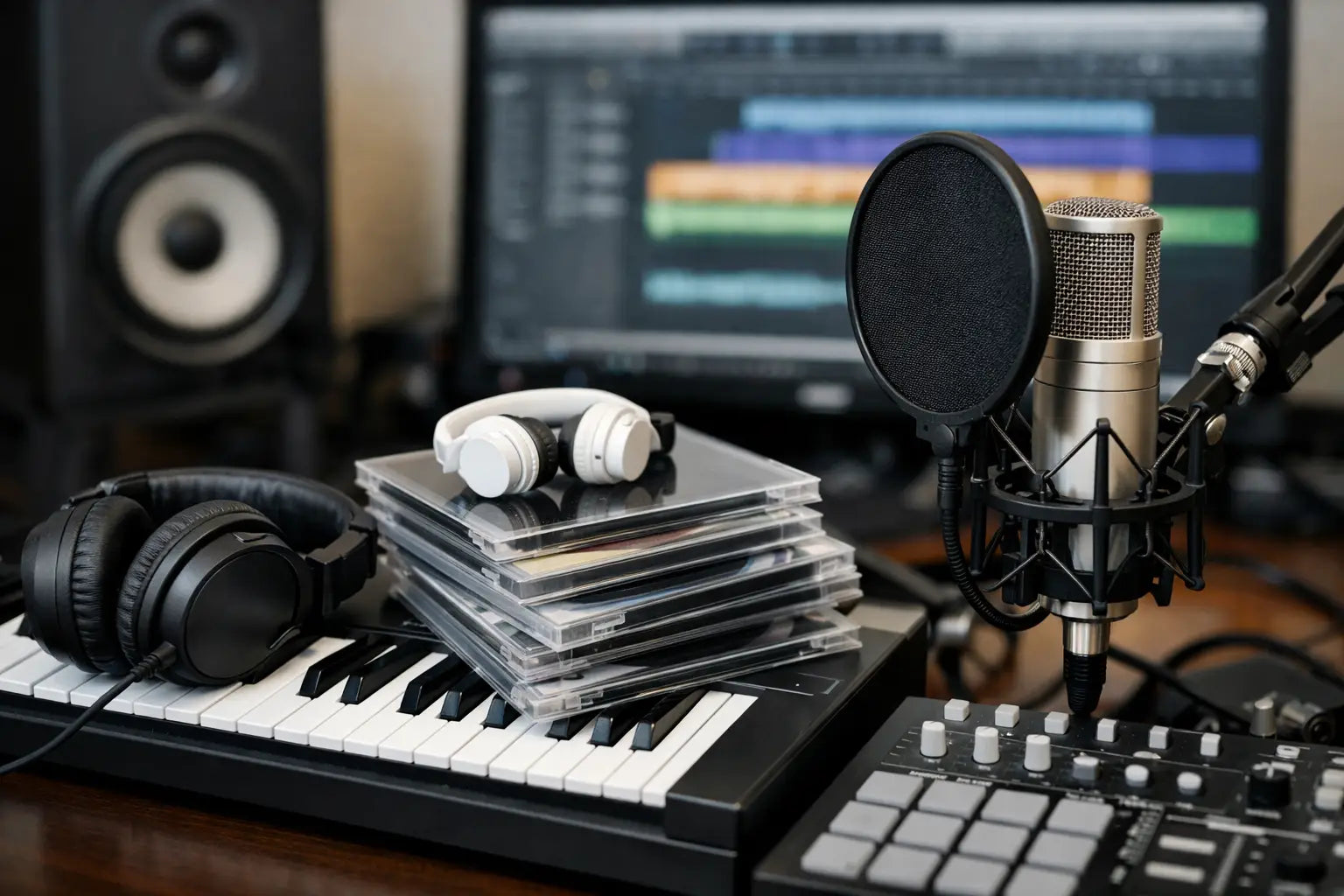
A vocal can turn a solid club track into the record people remember. It can also waste an hour fast if the tone is wrong, the phrasing is stiff, or the recording fights your mix from the first bar. That is why choosing the best vocal sample pack is less about grabbing the biggest library and more about finding vocals that fit your genre, speed up production, and still sound expensive once the drums hit.
For electronic producers, that decision usually comes down to one thing: usability. A great vocal pack should give you ideas immediately, but it also needs enough flexibility to survive arrangement changes, processing, and repeated listening. If every phrase sounds overperformed, drenched in effects, or locked into one mood, it might impress in a demo and still fail in a real session.
What makes the best vocal sample pack?
The best packs are recorded with production in mind. That sounds obvious, but a lot of vocal collections are built to sound dramatic in isolation rather than useful inside a dense house, techno, or EDM mix. Producers do not need thirty versions of the same line with heavy reverb printed on top. They need clean source material, strong tone, and phrases that can be shaped into hooks, transitions, chops, and drops without fighting the groove.
Recording quality is the first filter. A vocal can be emotional, current, and well performed, but if the mic chain is cheap or the editing is sloppy, you will hear it once the track reaches mastering. Breath noise, harsh upper mids, uneven dynamics, and bad timing become harder to hide when the rest of your production is polished. The best vocal sample pack gives you recordings that already feel mix-ready before you touch EQ.
Then there is style. Not every great vocal belongs in every subgenre. Afro House often benefits from warm, rhythmic phrases with movement and identity. Tech House usually wants attitude, brevity, and hooks that punch without overcrowding the drum section. Melodic Techno tends to reward more atmospheric lines, sustained notes, and emotional texture. If the vocalist, writing, and phrasing do not match the lane, you spend more time forcing a fit than building momentum.
Why genre fit matters more than pack size
Big libraries look good on a product page, but size alone does not make a pack useful. Many producers buy huge vocal bundles and end up recycling the same five phrases because most of the content sits too far outside their sound. A tighter, genre-specific collection usually delivers faster results because the vocals are already aimed at the kind of arrangement you are building.
That matters even more when you are working on deadline or trying to finish more music. A focused pack cuts decision fatigue. Instead of scrolling through cinematic ballads for a Bass House drop, or radio-pop phrases for an underground Techno groove, you get material that already feels at home in your session.
This is where specialized electronic sample brands tend to outperform broad marketplaces. When a vocal pack is built by producers who understand club records, the choices are different. The pacing is tighter. The ad-libs are more usable. The phrases leave space for drums and synths. And the vocal tone usually sits better against modern low-end and brighter top-end production.
The difference between usable vocals and demo vocals
A lot of sample packs sound great in the teaser and disappointing in the DAW. Usually that comes down to how the content was produced and organized.
Usable vocals are edited cleanly, named clearly, and delivered in formats that support actual production. You want dry files when possible, because they give you room to process for your own mix. You want consistent gain staging across phrases, so you are not fixing level swings before you can even write. And you want enough variation to create a full section, not just a single moment.
Demo vocals are often overproduced to sell emotion quickly. That can help a preview sound exciting, but it limits what you can do later. Heavy delay tails, baked-in reverb, aggressive tuning artifacts, and narrow thematic writing can make a pack feel finished before your track even starts. That is fine if you need a quick effect vocal. It is less useful if you want a hook that still sounds original after processing.
How to judge a vocal pack before buying
Start with the preview, but do not judge it like a listener. Judge it like a producer. Ask whether the vocal sounds clean enough to survive compression, saturation, and arrangement changes. Listen for strong pronunciation, stable tuning, and phrasing that could work in more than one context.
Next, pay attention to what the pack actually includes. Full phrases can be the headline, but short ad-libs, spoken textures, one-shots, harmonies, and chop-ready snippets often provide more long-term value. A single memorable phrase is useful. A collection that helps you build intros, risers, drops, and breakdowns is better.
Royalty-free terms matter too, especially if you plan to release commercially. The best vocal sample pack should remove friction, not create legal uncertainty later. Producers want to drag, drop, process, and release. If the license feels vague, that is a problem no matter how good the recordings are.
Organization is another quality signal. Well-labeled keys, tempos, moods, and phrase types save time immediately. That sounds minor until you are deep in a session and trying to audition options without breaking momentum. Good file structure is part of sound design value because workflow affects output.
Choosing the best vocal sample pack for your genre
If you produce Afro House, look for vocals with organic character, rhythmic flexibility, and enough air to sit over percussion-heavy arrangements. Overly polished pop vocals can feel disconnected in that space. You usually want something with movement and human texture.
For Tech House and Bass House, the sweet spot is often tighter and more direct. Short hooks, spoken phrases, attitude vocals, and call-and-response material tend to hit harder than long melodic lines. The vocal needs to support the groove, not dominate it.
Melodic Techno and melodic EDM give you more room for emotional writing, but even then, restraint matters. Long notes and cinematic phrases can elevate a breakdown, yet they need to stay mix-friendly once the record opens up. Too much frequency density in the vocal can blur the lead synth and flatten the impact.
Techno is the most dependent on intent. Sometimes you want a ghostly texture that barely reads as lyrical content. Sometimes you want a spoken phrase that becomes the identity of the track. In both cases, less is usually more. The best pack for Techno is rarely the most singer-songwriter driven.
Dry vs processed vocals - which is better?
It depends on how you work. Dry vocals are usually the better investment because they give you control over space, tone, and character. You can distort them, pitch them, slice them, and fit them to your own reverb world instead of inheriting someone else’s.
Processed vocals can still be useful, especially for quick inspiration or layered ear candy. They are often great for transitions, atmospheres, and effects that do not need much additional work. The trade-off is flexibility. Once a vocal has heavy FX printed in, your options narrow fast.
For most producers, a pack that includes both is ideal. Dry files handle the core writing. Processed versions add speed when you want instant color.
Why fewer, better vocals usually win
One strong vocal can carry a record. Ten average phrases usually create clutter. Producers chasing the best vocal sample pack often assume more content means more value, but quality and replay value matter far more.
A smaller collection of standout vocals will get used across more tracks if the recordings are clean, the writing is current, and the files are easy to shape. That is especially true in club music, where the right top line or chopped phrase can become the entire emotional center of the arrangement.
Brands that understand this build packs around immediate application, not filler. Hot Grooves, for example, leans into genre-specific tools that are made to drop into modern electronic sessions fast. That approach makes more sense for producers who care about finishing tracks than collecting folders.
The smartest way to buy
Buy for your next three records, not your next three years. If your current output lives in Afro House, Tech House, or Melodic Techno, choose vocals that fit those sessions now. You can always expand later, but the fastest route to better music is a pack that solves a real production need today.
Also be honest about your workflow. If you love heavy vocal editing, prioritize clean dry recordings. If you need speed and arrangement spark, look for packs with hooks, ad-libs, and effect-ready phrases that already feel current. There is no universal winner, only the right fit for the way you build tracks.
The best vocal sample pack is the one that gets you from blank session to finished idea without sounding like a shortcut. When the vocal drops in, the groove should feel clearer, the arrangement should come together faster, and the track should start sounding like something worth releasing.
How to Pick the Best Afro House Sample Pack
Top 10 Vocal Sample Pack Picks for Producers