
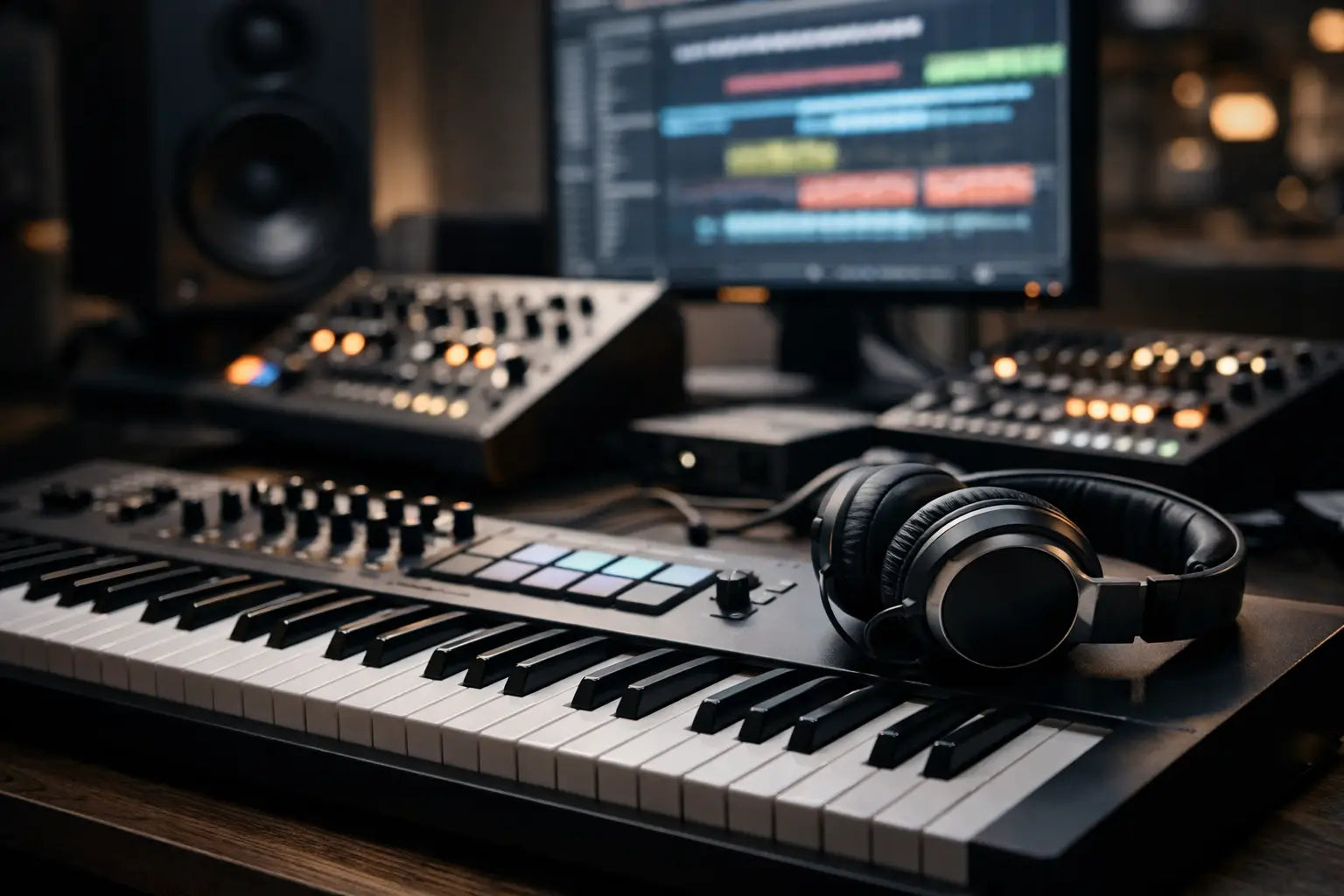
A weak preset choice can make a melodic techno track feel flat before the arrangement even starts. The best melodic techno presets do not just sound impressive in solo. They hold weight under a kick, leave space for groove, and give you that emotional tension the genre lives on.
That is the real filter. Not whether a sound is flashy, but whether it helps you finish a stronger record faster. In melodic techno, presets need to do more than fill a browser folder. They need to deliver movement, width, pressure, and enough tonal identity to carry a hook without fighting the rest of the mix.
What makes the best melodic techno presets?
A lot of producers judge presets by the first five seconds. Huge reverb, wide stereo, bright top end. That works for demos, but not always for records. The best melodic techno presets are built for context.
A strong melodic techno lead usually has controlled width, a focused midrange, and enough motion to stay alive across a repeated phrase. It should feel emotional without turning soft. It should also react well to velocity, macro automation, and filter movement, because static sounds die quickly in this genre.
For bass presets, weight matters, but so does shape. You want a low end that supports the groove and leaves room for the kick. Oversized subs can sound good alone and still collapse the drop once the drums come in. Good presets in this lane are tight, punchy, and easy to place.
Plucks, arps, and atmospheres follow the same logic. The sound has to create tension and mood, but it also needs to sit in a busy arrangement. If every preset is drenched in effects and filling the full spectrum, your track will feel expensive for about eight bars and messy for the next forty.
The preset types that matter most in melodic techno
If you are building or buying a preset pack, there are a few categories that consistently do the heavy lifting. Leads are the obvious one. They often carry the emotional core of the track, especially in breakdowns and main melodic sections. The best lead presets have a strong fundamental, subtle movement, and enough edge to cut without sounding harsh.
Bass presets are just as critical. In melodic techno, the bass is rarely an afterthought. It is part groove engine, part tension builder. Rolling offbeat basses, darker mono foundations, and mid-bass layers all play different roles. A good pack should give you options across those functions, not ten versions of the same patch.
Plucks are where a lot of tracks get their identity. They can be percussive, hypnotic, and emotional at once. The best pluck presets have a clean transient, controlled decay, and a tone that still feels full when the arrangement opens up.
Then there are pads, textures, and atmospheres. These are easy to overlook, but they often separate a loop from a finished production. Good atmospheric presets add depth without swallowing the mix. They should create space and movement while leaving the main musical elements clear.
Arps and sequenced presets can be useful too, but only if they are musical and flexible. Overly complex patterns can box you into someone else’s idea. The better option is a preset with the right tone and motion that you can reprogram around your own progression.
Serum is still the main choice for a reason
For most producers shopping this category, Serum is still the practical standard. It is flexible, fast to tweak, and familiar enough that you can open a patch and understand what is happening right away. That matters when speed is part of the goal.
The best melodic techno presets for Serum usually balance polish with editability. You want macro assignments that actually help in production, like cutoff, reverb send, noise level, unison spread, distortion amount, or wavetable position. If a patch sounds great but falls apart the moment you touch it, it is not production-friendly.
This is also where producer-built sound design stands out. A preset made by someone who actually writes melodic techno usually feels different from one made to hit a broad EDM audience. The envelopes are more usable. The effects chain is less exaggerated. The tone is closer to mix-ready. That saves time immediately.
How to spot a preset pack worth buying
The fastest way to judge a melodic techno preset pack is to ask one question: can these sounds get into a real arrangement quickly? If the answer is no, keep moving.
A good pack should give you genre-correct sounds that feel current, not recycled. It should cover the core categories well, with enough variation to build multiple tracks. Just as important, the presets should be leveled sensibly. Wild volume differences inside a pack slow everything down and usually signal less attention to detail.
Preview quality matters too. If every demo is hidden behind heavy mastering or layers of drums and vocals, it becomes harder to judge what the preset is actually doing. Strong preset design should hold up with less smoke around it.
It also helps when the pack is clearly built for workflow. Named macros, organized categories, and patches that respond well to basic automation all make a difference. Producers do not need more browsing fatigue. They need sounds that get them to an idea fast and still hold up when the track is finished.
Best melodic techno presets prioritize mix position
One of the biggest differences between average and professional preset design is mix position. Great melodic techno presets are made with arrangement role in mind.
A lead should not fight the vocal range if you plan to layer hooks. A bass should not dominate the sub region so aggressively that every kick needs surgery. A pad should not eat all the high mids and force your hats to disappear. These issues are common in generic preset packs because the sounds are designed to impress on their own.
That is why presets made for club-focused production tend to work better. They are voiced with actual track building in mind. Less wasted low end. Better envelope control. More useful harmonic content. If your goal is chart-ready, DJ-friendly output, those details matter more than giant marketing claims.
Why fewer better presets beats a huge library
A massive preset folder feels good until you are forty minutes deep and still auditioning sounds. Most producers do not need more presets. They need better curation.
The best melodic techno presets are often the ones you return to because they solve familiar problems. You need a lead that brings emotion without turning thin. You need a bass that feels dark and solid but still grooves. You need a pluck that adds movement without clutter. A smaller, stronger library is better for finishing music than an endless archive of almost-right sounds.
This is where focused genre packs win. Instead of giving you everything, they give you what actually works for the lane. That is a better fit for producers who care about speed, consistency, and competitive results.
How to get more from melodic techno presets
Even the best preset will sound generic if you drop it in and leave it untouched. The advantage of a strong preset is not that it finishes the track for you. It gets you to the right zone faster.
Start by automating one or two meaningful controls. Filter movement, wavetable position, effects mix, or unison spread can create enough evolution to keep a repeated motif alive. Then shape the space around the sound. In melodic techno, arrangement tension often matters more than adding more notes.
Layering can help, but only when each sound has a clear job. If your main lead already owns the upper mids and stereo image, the second layer should add body or texture, not copy the same frequency space. The same goes for basses. A clean sub and a character mid-bass usually work better than one oversized patch doing both badly.
And always check presets in context. A patch that feels slightly dry in solo can become perfect once the drums, percussion, and effects are in. That is why experienced producers trust presets built for production, not just for first impressions.
Choosing the right source matters
The market is full of preset packs labeled melodic techno, but not all of them understand the genre at a practical level. Some lean too trancey. Some feel more like cinematic EDM. Some are so overprocessed they leave no room for your own mix decisions.
The better approach is to choose sounds from brands that are clearly embedded in club production and understand how producers actually work. Hot Grooves fits that lane well because the focus is not just on sound design for its own sake. It is on usable, current tools that help you move from idea to release-ready production faster.
If you are looking for the best melodic techno presets, do not chase quantity or hype. Chase presets that give you strong tone, useful movement, and a clear role inside the track. The right sound should make you want to write the next eight bars immediately.
Afro House Track Workflow Example That Works
Best Tech House Vocals for Club-Ready Tracks