
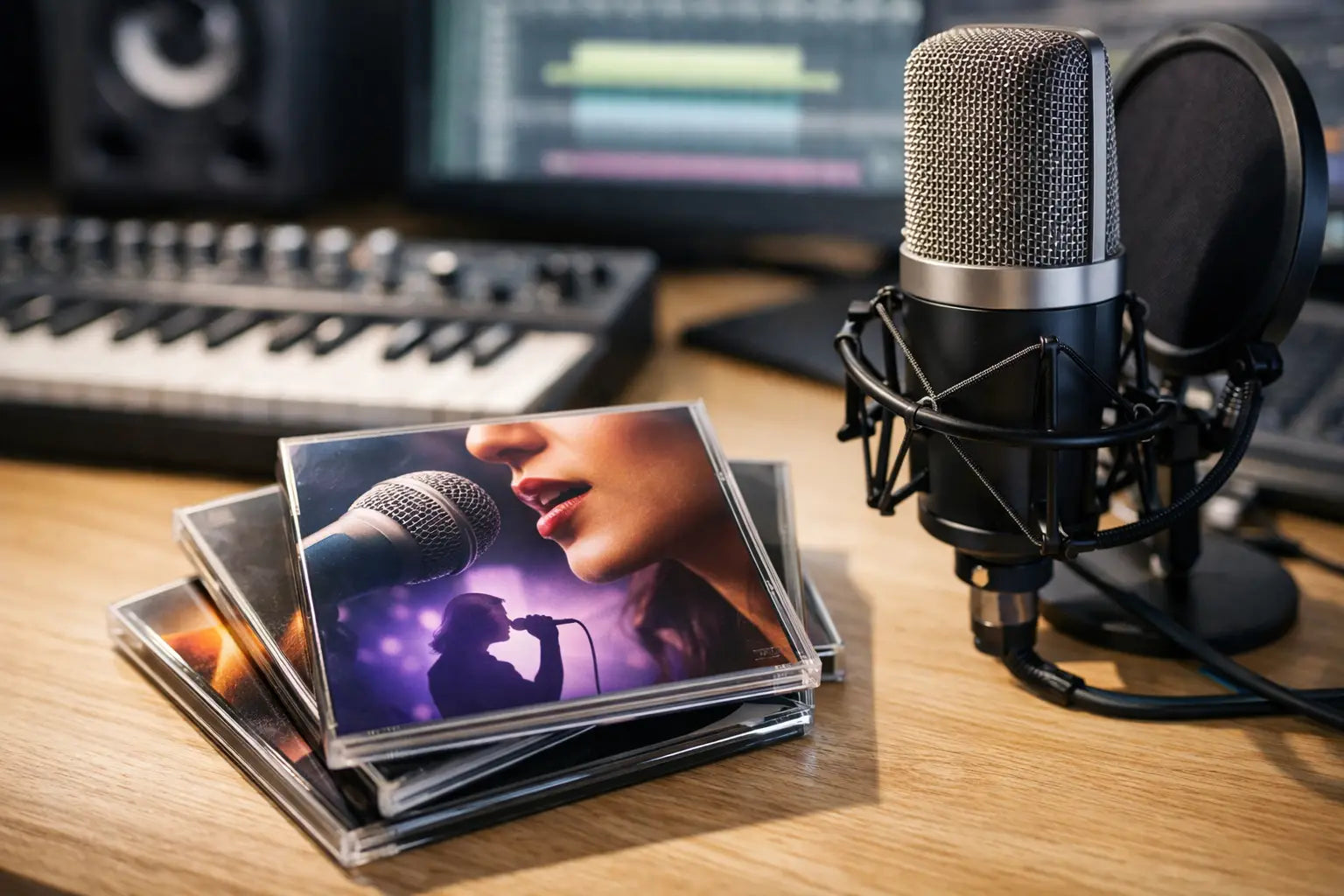
A great vocal can turn a solid groove into the part people remember. In club-focused production, the right vocal pack does more than add a top line - it gives your track identity, movement, and a clear emotional hook without slowing your workflow.
That matters because not every vocal collection is built for modern electronic production. Some sound impressive in isolation but fall apart once the drums hit. Others are overprocessed, too generic, or locked into a vibe that only works in one narrow context. If you produce Afro House, Tech House, Melodic Techno, Techno, Bass House, or EDM, choosing the right pack is less about quantity and more about usable material that lands fast in a real session.
What a vocal pack should actually do
A strong vocal pack should save time at every stage of production. It should give you source material that already feels current, sits naturally in a mix, and leaves enough room for you to shape the final record your way. If you have to spend an hour repairing harsh frequencies, forcing timing, or trying to make the vocal fit the groove, the pack is working against you.
For electronic producers, usefulness usually comes down to three things. First, the vocal has to match the energy of the genre. Second, it needs to be recorded and edited well enough to sound polished under club drums, bass, and synth layers. Third, it should be flexible enough to support more than one idea. A good phrase can become a lead hook, a background texture, a chopped rhythm, or a transition element depending on how you process it.
That is why a smaller pack full of clean, intentional content often beats a huge folder of filler. More files do not automatically mean more value if most of them never make it into a finished track.
Genre fit matters more than producers admit
One of the biggest mistakes producers make is treating vocals like they are genre-neutral. They are not. A vocal that works in commercial EDM may feel too bright, too theatrical, or too obvious in a darker Melodic Techno track. A husky spoken phrase that hits in Tech House may not carry enough melodic weight for Afro House or progressive-leaning material.
Choosing a vocal pack for house, techno, and EDM
Start with the groove your track is built around. If your drums are rolling and hypnotic, you usually want vocals with space, repetition, and a tone that supports tension rather than dominating it. If your production is more peak-time and hook-driven, a bolder topline or chant can do more work.
For Afro House, look for soul, movement, and phrasing that feels human rather than overly grid-locked. For Tech House, attitude and rhythm tend to matter more than long melodic lines. For Melodic Techno, breathy textures, atmospheric phrases, and emotional restraint usually go further than full pop delivery. For Bass House and EDM, more direct hooks and stronger articulation can make sense, especially when the drop needs a recognizable anchor.
The best packs are clear about this. They do not just say royalty-free vocals. They tell you what lane the content was designed for and how it is meant to function inside that lane.
Listen for mix-ready quality, not just vocal talent
A great singer does not automatically make a great sample pack. Producers need recordings that are usable, not just impressive. That means controlled takes, clean editing, consistent gain staging, and a sonic profile that can handle processing without falling apart.
If a vocal is already hyped with too much reverb, delay, or aggressive top end, your options shrink fast. It might sound finished on first listen, but once you try to place it in a dense mix, it can become a problem. Dry or lightly processed versions are usually more valuable because they give you control. You can always add atmosphere. Removing baked-in effects is harder.
You should also pay attention to consonants, sibilance, and background noise. Small issues become big issues once you compress, saturate, or pitch the file. Club records are unforgiving in the high end. A vocal that feels clean at low volume can get sharp very quickly once the track is pushing in a loud arrangement.
Flexibility is where the real value is
The best vocal pack is rarely the one with the most obvious ready-made hook. It is the one that gives you multiple paths to a finished record. Full phrases are useful, but so are ad-libs, doubles, harmonies, spoken lines, and chopped-friendly fragments.
What to look for inside a vocal pack
Look for variation in structure. A pack that includes verses, hooks, one-shots, and supporting phrases gives you more ways to build arrangement. If you only get one fully committed topline, you may end up writing your production around the sample instead of using the sample to elevate your production.
Key and tempo labeling also matter. They are not glamorous features, but they speed up decision-making. When files are organized clearly, you can test ideas fast and stay in creative mode. That is especially important when you are building tracks for clients, pitching demos, or trying to finish more music consistently.
Layering options are another strong sign. Main takes, doubles, wet versions, and dry versions make a pack more production-friendly. You can use the polished version for speed or build your own chain from the dry files when you want more control. It depends on your workflow, but having both is a real advantage.
Beware of vocals that are too specific
There is a trade-off with highly stylized content. Strong character can be exactly what makes a vocal cut through, but if the lyric, accent, processing, or melodic phrasing is too specific, the sample can become hard to reuse. That does not make it bad. It just means it may fit one track perfectly and nothing else.
If you produce a lot of music, reusable packs usually offer a better return. Neutral but well-performed phrases, clean ad-libs, and expressive textures can stretch across multiple projects. You can pitch them, resample them, chop them, and process them into something unique without fighting the original source too much.
On the other hand, if you are chasing one standout single, a more distinctive vocal may be the right call. The smart move is knowing which type of material you need before you buy.
Workflow matters as much as sound
Sample shopping is really workflow shopping. Producers are not just buying audio. They are buying speed, consistency, and fewer dead ends in a session.
A useful vocal pack should feel organized from the first click. Files should be named clearly. Categories should make sense. The pack should be built by people who understand how producers actually search for material while writing. If the content is scattered, poorly labeled, or padded with near-duplicates, your momentum drops.
That is one reason genre-focused catalogs tend to perform better for serious producers. When a brand understands the difference between a Tech House spoken hook and a Melodic Techno texture, the odds of finding something that fits your track go up fast. At Hot Grooves, that producer-first approach is what makes focused collections more practical than broad, unfocused sample dumps.
How to know a vocal pack is worth buying
Before you commit, ask a simple question: can this pack help me finish records faster without making my tracks sound generic? That is the real test.
A worthwhile pack should give you immediate inspiration on first listen, but it should also hold up under editing, pitching, chopping, and arrangement changes. It should support your sound, not force you into someone else's. If it fits your genre, sounds clean under pressure, and offers enough flexibility to create something personal, it is doing its job.
There is no single best vocal pack for every producer because needs change with genre, skill level, and workflow. A bedroom producer building first demos may want obvious hooks and ready-to-drop phrases. A more experienced producer may prefer cleaner source material with room for processing and heavy manipulation. Both approaches are valid.
The key is choosing vocals with intent. Buy for the tracks you actually make, not the ones you imagine making someday. When the source material matches your lane, your sessions move faster, your ideas land harder, and your finished records sound more confident.
The right vocal does not just fill space. It gives the track a point of view - and that is usually the difference between a loop that sounds good and a record people replay.
Techno Loop Guide for Faster, Better Tracks
How to Build the Right Kit FL Studio Needs