
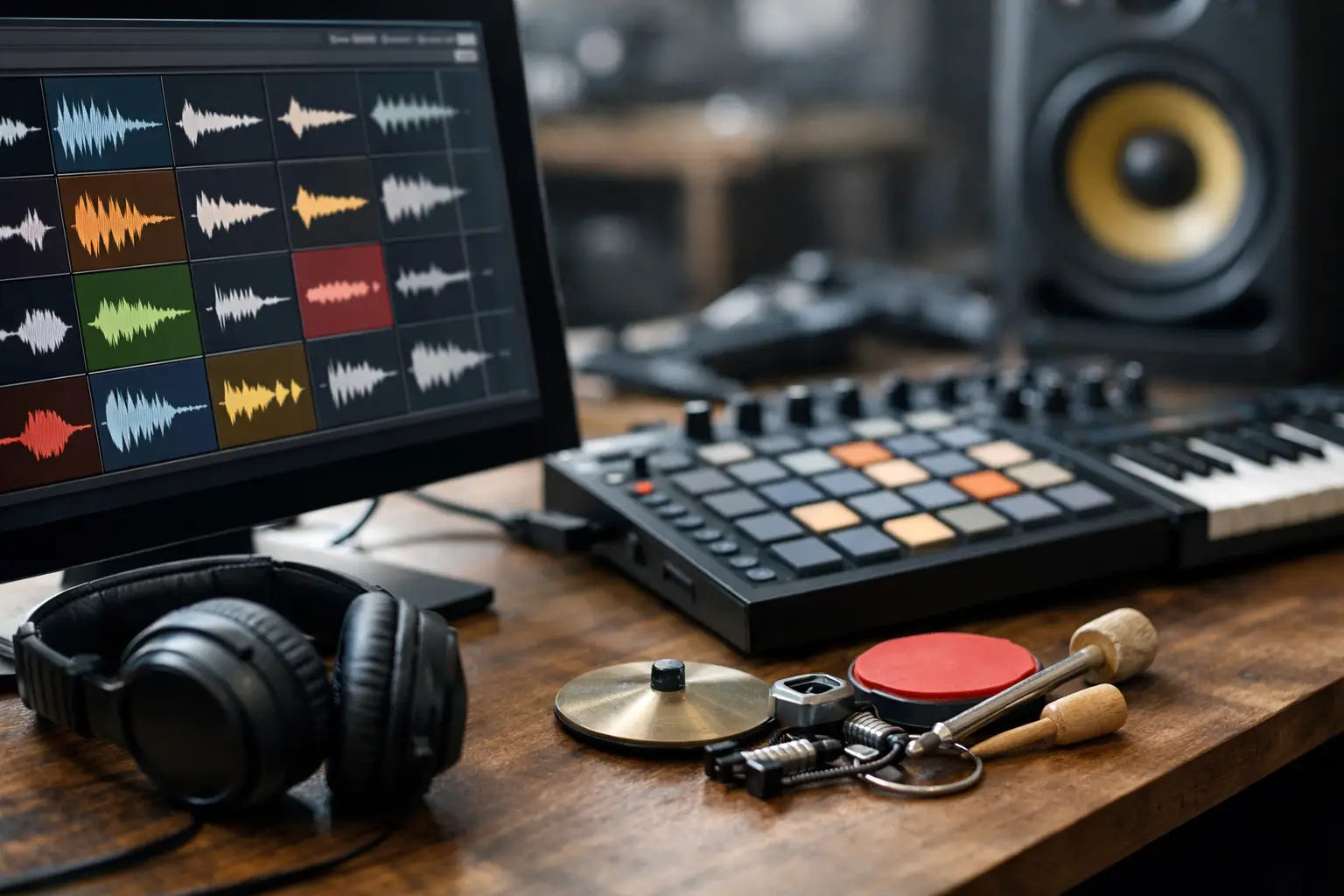
That kick that lands harder than the rest of your drum folder? The vocal chop that turns a flat drop into something DJs actually remember? Chances are, you are hearing one-shots. If you have ever asked what are one shot samples, the short answer is simple: they are single audio hits designed to be triggered once at a time, not played as a full loop.
For electronic producers, one-shots are foundational. They give you direct control over groove, tone, and arrangement without locking you into someone else’s rhythm. Instead of dragging in a four-bar drum loop and working around it, you can build your own pattern from the ground up with individual kicks, claps, hats, stabs, bass hits, FX, and vocal snippets. That is why one-shots are such a big part of modern house, techno, EDM, and club production.
What Are One Shot Samples?
One shot samples are short audio files that contain a single sound event. Think of a kick drum, a snare hit, a closed hat, a tom, a bass stab, a synth chord hit, a riser impact, or a vocal phrase cut down to one playable hit. You load them into a sampler, drum rack, or directly onto your timeline, then trigger them exactly where you want.
The key difference is that a one-shot is not meant to carry a full rhythmic phrase by itself. A loop already includes timing and movement across multiple beats. A one-shot gives you the raw building block. You decide the rhythm, spacing, swing, and variation.
That flexibility matters. In club-focused genres, small timing decisions can change everything. A tech house groove built from clean one-shots can feel tighter and more personal than a premade loop, especially when you start layering sounds and adjusting velocity, pitch, and envelope settings.
Why Producers Use One Shot Samples
Speed is the obvious reason. Good one-shots let you get to a solid drum groove or musical idea fast. If your source sounds already hit with the right weight, transient shape, and tonal balance, you spend less time fixing weak sounds and more time arranging.
But speed is only half of it. One-shots also give you precision. You can place every hit exactly where it needs to be, layer a punchy top kick over a warmer low-end kick, swap snares without rebuilding an entire loop, or create call-and-response between synth stabs and vocal cuts. That level of control is a big reason experienced producers still rely on one-shots even when they have thousands of loops available.
There is also a genre advantage. In Afro House, percussion one-shots help you build intricate rolling patterns that feel alive rather than repeated. In Tech House, individual drum hits make it easier to dial in a stripped, punchy groove. In Melodic Techno and EDM, tonal one-shots like plucks, chords, and impacts can define the emotional lift of a section without overcrowding the mix.
Types of One Shot Samples You Will Actually Use
The most common category is drums. Kicks, claps, snares, rim shots, hats, rides, toms, shakers, and percussion hits all fall into the one-shot lane. These are the sounds most producers reach for first because they form the backbone of rhythm.
Then you have tonal one-shots. These include bass hits, synth stabs, chord shots, plucks, mallets, and other pitched sounds you can sequence melodically. A single stab can become a full hook when played across a keyboard or MIDI pattern.
FX one-shots are another major category. Impacts, downlifters, uplifters, reverses, noise bursts, and transitions often come as single-use hits that add energy and help sections feel finished.
Vocal one-shots are especially useful in dance music. A short phrase, breath, shout, or chopped syllable can become part of the groove. Used well, these add identity without taking over the track.
One-Shots vs Loops
If you are deciding between loops and one-shots, it is not really an either-or situation. They solve different production problems.
Loops are great when you want immediate momentum. Drop one in, and you instantly hear a groove. That is useful for sketching ideas, building sections quickly, or adding texture on top of your core drums.
One-shots are better when you want full control. You can change the rhythm, tune the sound, process layers differently, and build something more original. If a loop gives you speed at the idea stage, one-shots give you customization at the production stage.
A lot of producers use both. They might build the main kick, clap, and hat pattern from one-shots, then add a percussion loop for movement. Or they might start with a loop, replace each element with stronger one-shots, and keep only the groove reference. The right choice depends on how much control you want and how fast you need to move.
How to Use One Shot Samples in a DAW
The easiest method is to drag one-shots into a drum rack, sampler, or similar instrument inside your DAW. From there, each sound is mapped to a note, and you can program patterns with MIDI. This keeps everything editable. You can tweak timing, velocity, pitch, and length without touching audio files on the timeline.
You can also place one-shots directly into the arrangement as audio clips. This works well for impacts, vocal chops, and transition effects where you want to see exact placement in the song structure.
For tonal one-shots, tuning matters. If you load a bass hit or synth stab into a sampler, make sure the root note is set correctly. Otherwise, the part may sound off even if the pattern is right. This is one of the biggest differences between using a drum one-shot and using a melodic one.
What Makes a Good One Shot Sample?
A strong one-shot should sound finished before you add heavy processing. That does not mean overprocessed. It means the sample has the right balance of punch, clarity, and usable frequency content from the start.
For drums, listen for transient definition, body, and consistency. A kick should have a clear purpose. Maybe it is sub-heavy and rounded, or maybe it is sharp and aggressive for peak-time energy. The point is that it should already feel intentional.
For tonal one-shots, focus on character and usability. A synth stab might sound impressive in isolation but still clash in a mix if it is too wide, too washed in reverb, or too harmonically messy. The best one-shots are current, polished, and easy to place into real productions.
This is where curated packs matter. A random folder of internet freebies might give you quantity, but quality control is often inconsistent. Producer-built packs tend to be better organized and more mix-ready, which saves time when you are trying to finish tracks instead of auditioning sounds for an hour.
Common Mistakes When Using One-Shots
One of the biggest mistakes is layering too many sounds that compete for the same role. If your kick already has strong top-end click, adding another bright kick can make it worse, not better. The same goes for stacking five claps just because each one sounds decent on its own.
Another issue is ignoring pitch. Even drum one-shots can have tonal content. If the kick fundamental clashes with your bassline, the whole low end can feel unstable. A small tuning adjustment often fixes more than extra EQ.
There is also the temptation to use one-shots with no velocity or timing variation. Perfect grid placement works in some styles, but many grooves benefit from subtle movement. Slight changes in hit strength or micro-timing can make programmed patterns feel more human and more expensive.
Are One Shot Samples Good for Beginners?
Absolutely, and not just because they are easy to use. One-shots teach arrangement and groove in a very direct way. When you build a beat hit by hit, you learn what each sound contributes. You start hearing why one clap placement changes the bounce, or why a shorter hat pattern leaves more room for the bass.
For beginners, loops can sometimes hide those lessons because so much of the musical decision-making is already baked in. One-shots force you to make choices. That takes a little more effort at first, but it builds stronger production instincts.
At the same time, beginners do not need to become purists. If using a few loops helps you finish more ideas, use them. The smart move is to combine speed and control in a way that keeps you productive.
When One-Shots Are the Better Choice
If you want a signature groove, one-shots usually win. If you need to swap sounds quickly during arrangement, one-shots win again. If your track needs tight, genre-specific drums that feel current and polished, building from high-quality one-shots is often the fastest route.
That is especially true in electronic music where small details separate a demo from a release-ready track. A clean kick, a crisp clap, a well-tuned stab, and a few smart percussion hits can carry more weight than a crowded session full of average sounds. That is why serious producers keep solid one-shot libraries close.
Hot Grooves approaches one-shots the same way producers actually use them - as workflow tools that need to sound right immediately and fit real club records.
If you have been relying mostly on loops, spend one session building a groove from scratch with one-shots only. You will hear the difference in control right away, and more importantly, you will start making choices that sound like your track instead of everyone else’s.
Are Sample Packs Royalty Free? The Real Answer
How to Use Tech House Bass One Shots