
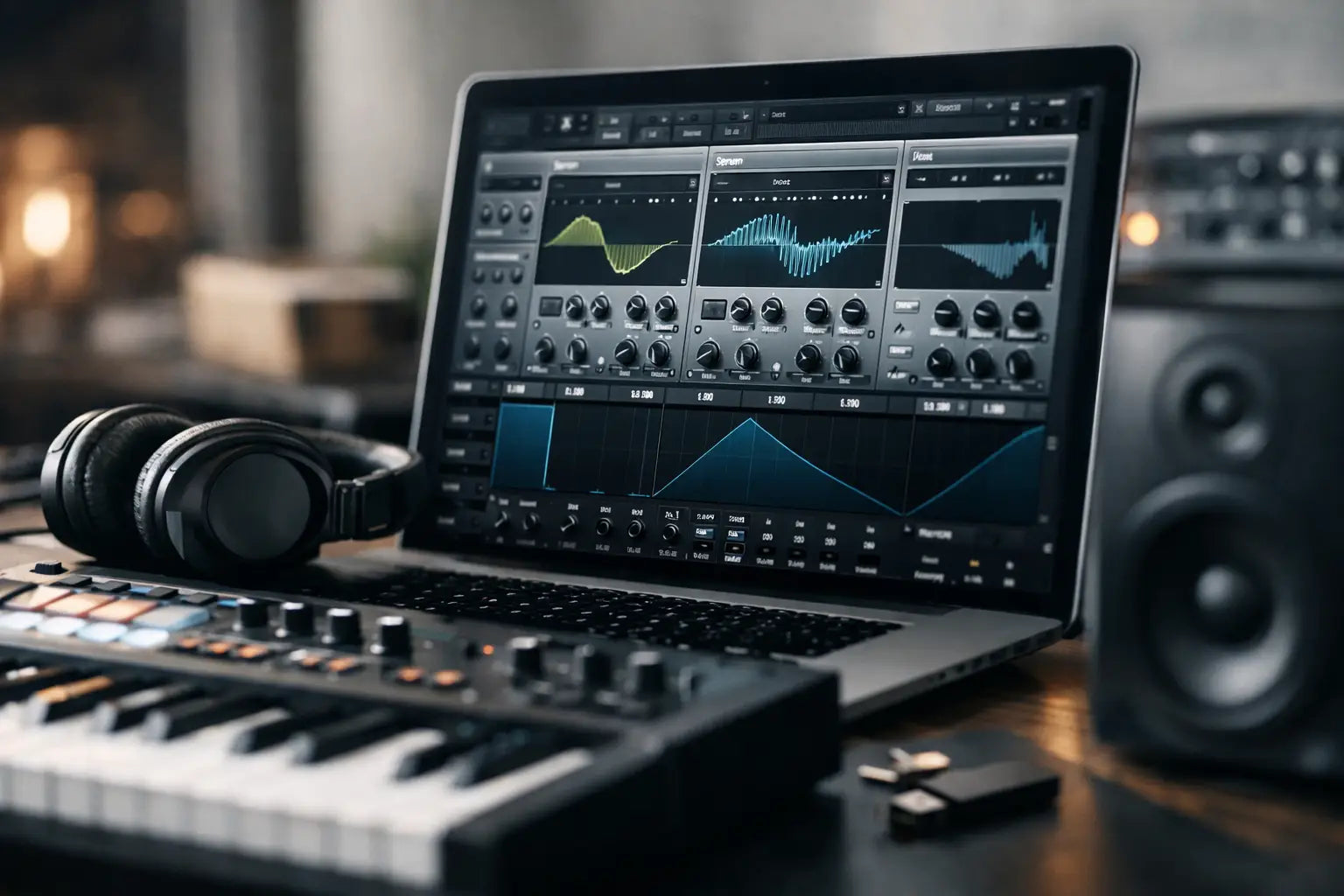
Most producers asking where to buy Serum presets are not really looking for more files. They are looking for sounds that drop into a session, feel current, and get them to a finished track faster. That is the real filter. A preset pack can look massive on paper and still waste your time if half the banks feel dated, overprocessed, or impossible to place in a mix.
If you make club-focused electronic music, the best place to buy Serum presets is from a specialist sound design brand that builds for your genre, your workflow, and your mix targets. Not a random marketplace stuffed with thousands of uneven uploads. Not a giant bundle that promises every style under the sun. You want presets made by producers who understand how Afro House, Tech House, Melodic Techno, Bass House, EDM, and peak-time club records are actually built.
Where to buy Serum presets without wasting money
The short answer is this: buy from focused sound design stores that are known for electronic music production, not from broad digital marketplaces where quality control is inconsistent.
A dedicated preset store usually gives you three advantages immediately. First, the sound design is more intentional. The patches are built to suit a specific lane, whether that means low-end weight for Bass House, rolling plucks for Melodic Techno, or sharp, playable leads for Tech House. Second, the organization is better. You are more likely to get clearly labeled basses, leads, pads, plucks, FX, and arps instead of a chaotic folder with no production logic. Third, the presets are often made with actual track use in mind, which means fewer novelty sounds and more patches you can turn into records.
That last point matters more than producers admit. A preset can sound impressive in solo and still fall apart once the drums and bass come in. The better libraries are voiced to sit inside modern arrangements, not just impress on a demo video.
What separates a good Serum preset store from a bad one
If you are deciding where to buy Serum presets, start with curation. A good store has a clear point of view. It knows its genres, its audience, and the sonic standard it is aiming for. You should be able to tell within a minute whether the catalog is built for serious electronic producers or casual browsing.
Look at how the products are categorized. Strong stores organize presets by genre and use case, not just by plugin name. That helps when you need sounds for a specific project instead of a generic bank. If you are producing club records, you should be able to find packs tailored to the styles you actually make, with demos that sound release-ready rather than experimental for the sake of it.
Also pay attention to audio demos. This is where weak sellers usually get exposed. If the demo relies on heavy mastering, full drum arrangements, or stacked external layers to make the presets seem bigger than they are, be careful. You want to hear what the presets contribute clearly. A quality demo should show that the core sound is already polished and usable.
Then there is patch count versus patch value. Bigger is not always better. A tight bank of 50 to 80 genuinely useful presets is often worth more than a bloated 300-preset pack filled with repeats and filler. Producers do not need more scrolling. They need more keepers.
The best place to buy Serum presets depends on your genre
This is where a lot of buying decisions go wrong. Serum presets are not one-size-fits-all. The right bank for a Melodic Techno track is not the right bank for a Tech House groove, and it definitely is not the right bank for an Afro House record.
For Melodic Techno, you usually want movement, atmosphere, emotional leads, and plucks with enough detail to carry a section without sounding overdecorated. For Tech House, the priority shifts toward punchy basses, clean stabs, vocal-friendly synths, and hooks that cut through with minimal effort. Afro House needs rhythm-aware melodic content, warm tones, and textures that work with percussion-heavy arrangements instead of crowding them.
That is why genre specialization is such a strong buying signal. A store that lives inside electronic subgenres will usually make better decisions about envelope shape, harmonic density, brightness, stereo width, and low-end behavior. Those details decide whether a preset feels current or frustrating.
Should you buy from marketplaces, independent brands, or bundle sites?
It depends on what you care about most.
Marketplaces can give you variety, but quality can swing hard from one seller to the next. They are fine if you like digging and do not mind spending time auditioning. The trade-off is inconsistency. Some packs are excellent. Others feel rushed, recycled, or badly tagged.
Independent sound design brands are often the strongest option for producers who want speed and reliability. You get a tighter catalog, more focused genre knowledge, and a better chance that the presets were built by people who actually produce in the styles they sell for. That usually leads to better hit rates inside your sessions.
Bundle sites can look attractive because the price per preset seems low. Sometimes they are worth it, especially if the curation is solid and the included styles match your lane. But bundle-heavy sellers can also hide average content behind big numbers and aggressive discounts. Cheap presets are only a deal if you actually use them.
For most club producers, the sweet spot is a specialist brand with a proven electronic catalog, strong demos, and packs built for modern genres. That is usually where quality and workflow meet.
How to judge Serum presets before you buy
The smartest producers do not shop presets by artwork or patch count. They shop by outcomes.
Ask yourself whether the sounds solve a real problem in your workflow. Do you need stronger bass source material? Better melodic hooks? More polished leads that already feel mix-aware? Faster idea generation when your sessions are stalling? The right preset pack should reduce friction, not just add options.
You should also check whether the sounds are immediately tweakable. Good Serum presets are not so overcomplicated that one macro move destroys the patch. They should give you room to shape tone, movement, width, and energy without rebuilding the sound from scratch. That balance is key. You want presets that feel finished but not locked.
Compatibility matters too. Make sure the Serum version is current, the product notes are clear, and any required external processing is stated honestly. Nobody wants to buy a bank and then discover the best sounds depend on missing effects chains or undocumented extras.
Where serious producers usually get the most value
Serious producers tend to buy fewer, better packs. They would rather have a curated library of sounds they trust than hundreds of folders they never open again.
That is why stores built around professional electronic production tend to stand out. The best ones are not selling presets as abstract digital goods. They are selling speed, quality, and confidence. A strong preset pack can cut hours off sound design, push you into better musical choices, and help your track feel closer to release level earlier in the process.
That is especially useful when deadlines are real, client work is stacked up, or you are trying to stay consistent with releases. In those cases, the value of a preset bank is not the number of patches. It is how quickly it gets you to a convincing drop, breakdown, hook, or topline bed.
For producers working in electronic genres where current sonics matter, Hot Grooves is the kind of specialist source worth paying attention to because the catalog is built around club-focused results rather than generic sound libraries.
When free Serum presets make sense and when they do not
Free presets are not automatically bad. They can be a smart way to test a brand's taste and production standard before spending anything. If a company offers a small free bank and the sounds already feel polished, that is a good sign.
But free packs often come with limits. Sometimes they are teaser content with only a few standout patches. Sometimes they lean toward broad appeal instead of genre precision. And sometimes they are old sounds repackaged as lead magnets.
If you are just building your library, free presets can help. If you are trying to finish competitive tracks fast, paid packs from a trusted specialist will usually get you there faster.
A better way to think about where to buy Serum presets
Instead of asking which website has the most presets, ask which store gives you the highest percentage of usable sounds for your genre. That is the metric that matters. The best source is the one that consistently helps you open Serum, find something strong in minutes, and move the track forward.
A good preset pack should feel like a production advantage, not another folder to sort through later. Buy from stores that understand your genre, prove their quality in the demos, and build sounds that work in real club arrangements. When the presets are right, your workflow gets faster, your ideas land harder, and finishing tracks stops feeling like a fight.
The smartest purchase is not the biggest library. It is the one you reach for every time a track needs to sound more finished, more current, and more ready for the dance floor.
Free EDM Sounds Download That Actually Hits
Tech House Loops That Actually Make Tracks Move