
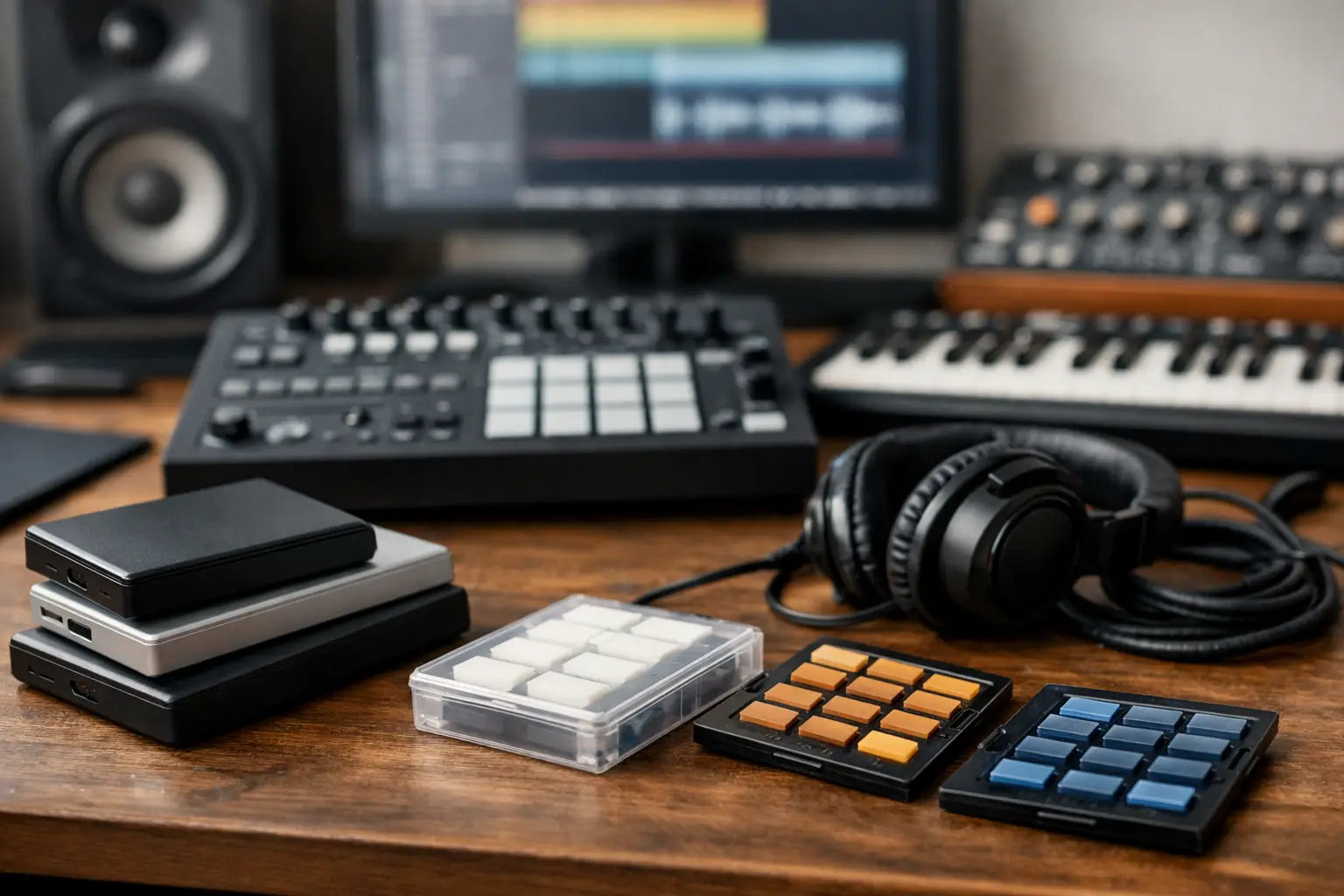
That moment when your loop is working, the groove is there, but the kick feels flat and the top percussion sounds generic - that is exactly why free sample packs for producers matter. A good free pack can fix a weak drum bus, spark a new hook, or give you a vocal chop that turns a sketch into a club-ready idea. A bad one just wastes time, clutters your folders, and leaves you scrolling instead of producing.
The real question is not whether free packs are worth downloading. It is whether they are useful enough to earn space in your workflow. For electronic producers working in Afro House, Tech House, Melodic Techno, Techno, Bass House, and EDM, the answer depends on quality, focus, and how fast those sounds can get you to a finished record.
What makes free sample packs for producers worth keeping
Not all free packs are built the same. Some are genuine entry points into a strong catalog. Others are just random leftovers bundled together with no clear genre direction. If you are serious about your sound, you need to judge free content the same way you judge premium tools.
The first thing to look for is genre accuracy. A Tech House pack should not sound like a generic EDM folder with one rolling bass loop dropped in. If the drums, grooves, vocals, and presets do not feel current to the lane you produce in, they will slow you down more than they help. The best free packs give you sounds that already speak the language of your genre.
Usability matters just as much as sound quality. You do not need 500 throwaway files. You need 20 to 50 sharp, mix-aware assets that drop into a session fast. Well-labeled one-shots, clean loop organization, and key and tempo info save more time than a massive folder ever will.
Then there is mix readiness. Free does not have to mean raw, thin, or amateur. Strong sample packs are designed to sit in modern productions with minimal cleanup. That does not mean every sound should be over-processed. It means the source material should already feel polished enough to move quickly.
The difference between useful freebies and folder filler
A lot of producers download free packs like they are collecting trophies. The result is a drive full of kicks they never audition, loops they never drag in, and vocals that do not fit any track they actually make. More options can make you slower if the quality bar is low.
Useful freebies are specific. They solve a production problem. Maybe you need tighter Afro House percussion, a few clean Techno rumbles, a melodic synth phrase to trigger an idea, or a vocal texture that gives your drop some identity. Folder filler does none of that. It only adds noise.
A simple test helps. Open a free pack and ask whether you can build around it in the next 15 minutes. If the answer is yes, it has value. If you are already thinking about how much processing it will take just to make the sounds acceptable, move on.
How to choose the right free sample packs for producers
Start with the genre you actually release in, not the genre you occasionally experiment with at 2 a.m. Producers often grab broad packs because they look bigger, but broad usually means less focused. If your tracks live in club-driven electronic spaces, specialized packs are almost always more effective than general bundles.
Format matters too. If you write drums first, prioritize one-shots and percussion loops. If your bottleneck is melodic ideas, look for music loops, chord shots, or Serum presets. If arrangement is your weakness, vocal hooks and FX can add structure fast. The best free download is the one that fills a gap in your current process.
You should also check how the sounds are presented. Good creators label BPM, key, style, and file type clearly. That sounds basic, but it makes a huge difference when you are moving fast in a session. Professional packaging is usually a sign that the audio inside was made with the same level of care.
Why free packs can improve workflow
For most producers, time is the real bottleneck. Not ideas. Not ambition. Time. Free packs help when they reduce setup time and get you to a strong draft faster.
A clean drum starter folder can shave 30 minutes off your session before you even open a synth. A few well-made tops can bring movement to a flat groove. A bass one-shot or preset that already has the right weight can push you straight into arrangement instead of keeping you trapped in sound design.
There is a trade-off, though. Rely too heavily on free content and your tracks can start to sound like everyone else using the same obvious files. That is why the smartest approach is not to build entire productions from freebies. Use them as accelerators. Layer them, process them, resample them, and combine them with your own decisions.
What producers should look for by genre
In Afro House, percussion quality is everything. Free packs are worth downloading when the grooves feel human, the shakers and hats have movement, and the drum textures carry real character instead of sounding sterile. Chord stabs and vocals can also be strong, but weak percussion kills the whole pack.
In Tech House and Bass House, drums and bass content have to hit immediately. Kicks should feel club-ready, claps should cut without sounding harsh, and bass loops or one-shots should have enough attitude to drive the track. If the groove feels soft, it probably will not survive the mix.
In Melodic Techno and Techno, atmosphere matters more. You want tension, weight, and tonal control. Strong free packs in these genres often shine through textures, synth loops, sequences, FX, and dark percussive material that already feels cinematic or warehouse-ready.
In EDM, the standard is broader, which makes curation even more important. Big leads, vocals, fills, impacts, and polished drums can all be useful, but only if they sound current. Outdated festival sounds will date your record fast.
Free does not mean low intent
A serious producer can get real value from free content if the source is built by people who understand actual production needs. That usually means the sounds were made by producers, not marketers trying to bait an email signup with random content.
This is where specialist sample brands tend to outperform generic download sites. When a catalog is built around dance music workflows, the free material is more likely to reflect the same standards as the paid line. You hear it in the punch of the drums, the confidence of the loops, and the way the sounds slot into modern arrangements.
Hot Grooves, for example, positions free content the way producers actually use it - as a fast path to stronger ideas, better genre fit, and more polished results without wasting hours building every element from scratch.
How to use free packs without sounding generic
The trick is not to use more samples. It is to make better choices with fewer samples. Start by picking one core element from a free pack, not ten. That could be a shaker loop, a vocal phrase, or a synth preset. Build around that and shape it into your track's identity.
Layering helps. A free clap can work if you blend it with your own transient or texture layer. A vocal chop can feel original after pitch automation, formant shifts, and rhythmic edits. Even a familiar loop can become fresh when chopped, reversed, filtered, and resampled into something more personal.
Also pay attention to context. A sample that sounds average in solo can feel perfect once the groove is built. The opposite is true too. A flashy loop may sound impressive on its own but fight every other element once the mix fills out. Production is not about isolated sounds. It is about fit.
When free sample packs are enough and when they are not
If you are sketching ideas, building practice projects, testing new genre directions, or refreshing stale folders, free packs can be more than enough. They are a strong way to move faster, discover a brand's sound, and pull usable tools into your sessions with no risk.
But if you are finishing releases regularly, pitching to labels, scoring client work, or trying to stand apart in a crowded market, free content usually needs backup. Premium packs tend to give you more depth, better consistency, and a stronger range of usable variations. You are paying for curation as much as content.
That does not make free packs second-rate. It just means they are best used strategically. Think of them as the front end of an efficient workflow, not the entire system.
The best free sample packs for producers do one thing really well: they get you from blank session to strong idea fast. If a pack helps you write better drums, finish more arrangements, or hear a hook you would not have found otherwise, it has done its job. Keep the sounds that earn repeat use, delete the ones that do not, and let your folders work as hard as you do.
How to Use Royalty Free Dance Vocals
How to Build Afro House Drums That Hit