
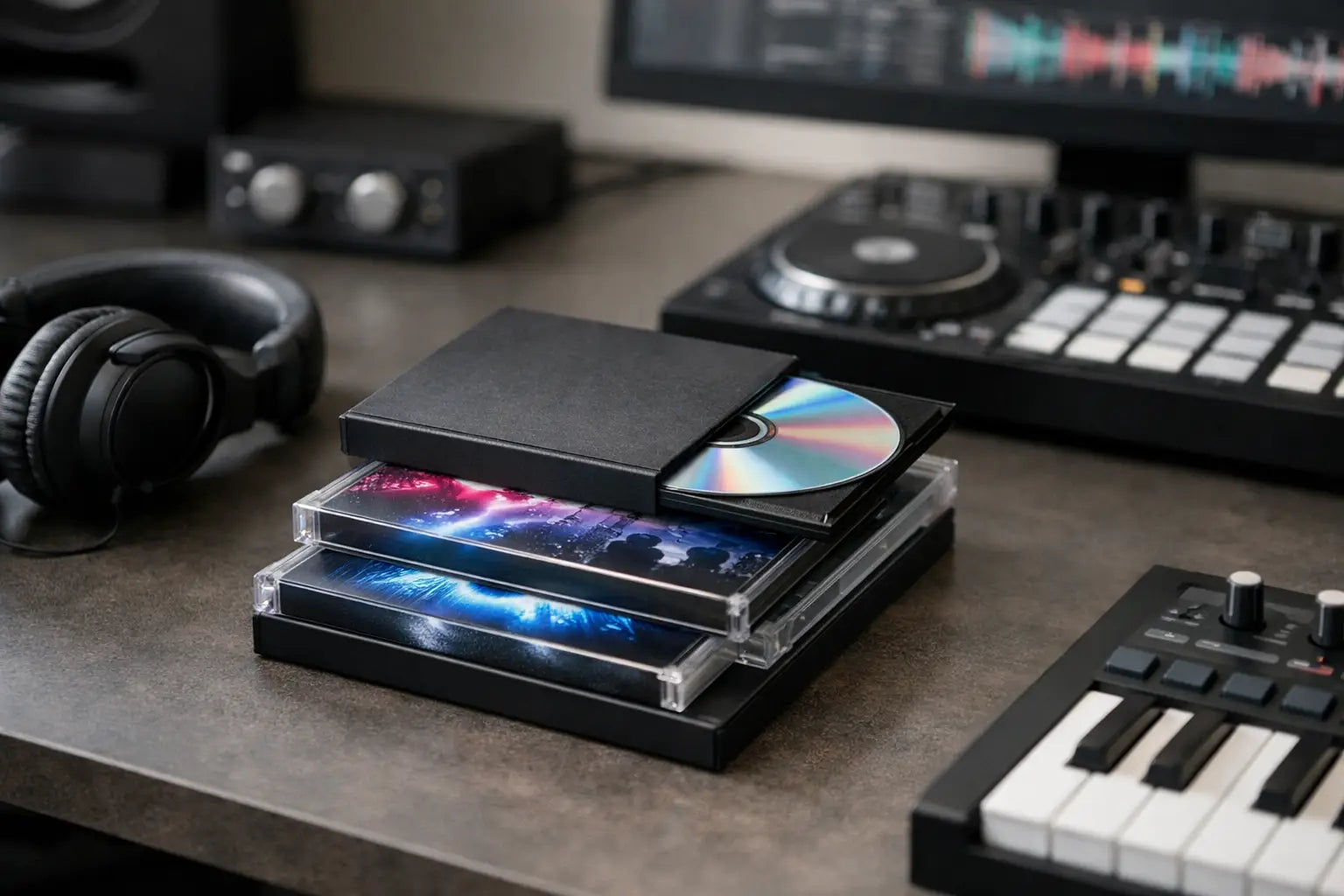
A tech house track can fall apart before the drop if the source sounds are weak. You can have a solid idea, a clean arrangement, and a decent mix, but if the drums feel generic or the bass lacks movement, the record never gets that club-ready pull. That is why finding the best tech house sample pack is less about buying more sounds and more about choosing the right sounds for the way you actually produce.
The market is crowded. Every pack promises peak-time drums, rolling basslines, and instant groove. Some deliver. A lot do not. The real difference usually comes down to whether the pack understands modern tech house as a working genre, not just a playlist tag. Producers need sounds that hit quickly, sit together, and leave enough room to shape a track without fighting the raw material.
What makes the best tech house sample pack?
The best tech house sample pack is built around function as much as flavor. It should sound current, but it also needs to help you move fast. That means punchy drums that already feel balanced, bass one-shots or loops with the right weight in the low mids, and percussion that adds motion without cluttering the groove.
A strong pack also knows what not to include. More files do not always mean more value. If half the folder is filler, recycled loops, or sounds that belong in a different genre, you lose time scrolling and second-guessing. For most producers, a tighter pack with a clear identity is better than a huge library full of average content.
Tech house is especially sensitive to this because the genre lives on small details. The clap choice matters. The top loop texture matters. The swing of a shaker loop matters. Even a vocal chop that sounds great on its own can break the record if it feels too busy or too obvious in context.
Drums should do the heavy lifting
If you are judging a pack fast, start with the drums. In tech house, drums are not just supporting elements. They are a major part of the hook.
Kicks should feel controlled and direct, with enough weight to drive a club system but not so much sub that they become hard to place against the bassline. Claps and snares need snap, but they should not sound thin or over-hyped. Hats should have groove options, not just bright filler. Good percussion folders usually tell you a lot about the producer behind the pack. If the percussion feels rushed, the rest of the content often does too.
Loop quality matters here, but so does flexibility. Some producers want full drum loops to sketch ideas in ten minutes. Others want stripped percussion stems so they can build a more personal groove. The strongest packs usually give you both. That balance is useful because workflow changes from track to track.
Why groove matters more than loudness
A lot of sample packs try to impress in preview mode by making everything louder, brighter, or more aggressive than it needs to be. That can work for a demo. It does not always work in a session.
Tech house needs movement more than brute force. A shaker loop with the right swing can be more valuable than a heavily processed top loop that sounds finished but leaves no room for your mix. The best packs understand that producers still need space to shape the track.
Bass content separates average packs from useful ones
A weak bass folder is usually the fastest sign that a pack was built for marketing, not production. Tech house basslines need attitude, but they also need discipline. If every bass loop is over-designed, distorted beyond control, or locked into one obvious pattern, your options get narrow fast.
Look for bass sounds that feel mix-aware. That means solid fundamentals, clean transients, and enough texture to carry energy without eating the entire low end. One-shots are especially valuable because they let you write your own rhythms. Loops can be great for speed, but one-shots are what give a pack long-term value.
This is also where presets matter. If a pack includes Serum presets for tech house basses and they are actually usable, that is a big advantage. You get the sound and the ability to edit it for your track, instead of trying to force an audio loop into a song that wants a different groove.
Vocals and music loops can help or hurt
Vocal content is one of the easiest ways to make a tech house track feel current, but it is also one of the easiest ways to make it sound dated. Trend-driven vocals age fast. The best vocal folders give you short phrases, hooks, chops, and ad-libs that can be reworked, not just full toplines that sound identical to every demo online.
Music loops are similar. A strong synth stab loop or chord groove can spark an idea instantly. But if the musical content is too specific, it can take over the track instead of supporting it. Packs that offer clean musical stems or simpler harmonic ideas often give better results because they leave more room for your own direction.
For producers who want speed, a pack with usable vocals, drum loops, and bass ideas can cut hours off the process. The trade-off is originality. If you rely too heavily on the most obvious loops in the pack, your track may come together faster but feel less personal.
How to tell if a pack fits your workflow
The best tech house sample pack for one producer may be wrong for another. That is not a cop-out. It is just how production works.
If you build tracks from drums first, you probably need a pack with deep percussion content, strong one-shots, and multiple loop variations at different energy levels. If you write around basslines, focus on bass one-shots, MIDI-friendly presets, and low-end consistency. If you finish ideas quickly but struggle with polish, look for packs with mix-ready tops, FX, transitions, and vocals that help a draft feel complete.
Organization matters too. Well-labeled folders, key and tempo tagging, and clean separation between loops and one-shots are not small details. They directly affect how fast you can move. A sample pack should remove friction, not create more of it.
Signs a pack is worth buying
A good pack usually shows its value early. The previews sound focused. The genre identity is clear. The drums hit without sounding exaggerated. The bass content feels intentional. The vocals, if included, add something useful instead of padding the file count.
Another good sign is consistency. You do not need every sound to be your favorite, but the overall quality should stay high across folders. One killer kick folder cannot carry a pack full of weak percussion, thin effects, and unusable music loops.
Producer-led packs tend to perform better for this reason. They are often made by people who understand what actually gets used in sessions, not just what sounds flashy in a storefront preview. That practical edge matters when you are trying to finish more records.
When a cheaper pack is the better move
Price matters, but not in the obvious way. The most expensive pack is not automatically the best. If you only need fresh drums and a few bass tools, a focused, lower-cost pack may serve you better than a giant bundle full of genres you do not produce.
On the other hand, if you make tech house regularly, paying more for a pack with strong drums, bass, vocals, presets, and construction-ready loops can be a better long-term buy. The key question is whether the content will end up in finished tracks, not whether the download looks big.
For producers who want sounds that feel current and immediately usable, specialized catalogs tend to outperform broad “everything” libraries. That is part of why genre-focused brands like Hot Grooves resonate with working producers - the packs are built to get you to a tighter groove and a cleaner record faster.
The best tech house sample pack is the one you keep reopening
That may sound simple, but it is the standard that matters. The best pack is not the one with the most files or the loudest previews. It is the one you return to when you need a kick that lands, a bass sound that locks in, or a vocal that gives the track its angle.
A reliable tech house sample pack should help you move from idea to arrangement without spending an hour fixing the source material. It should give you enough character to sound current and enough flexibility to make the track yours. That balance is where real value lives.
If a pack makes you write faster, mix less, and finish stronger records, it is doing its job. Start there, trust your ears, and choose sounds that make you want to open the DAW and build something tonight.
Top 5 Vocal Sample Pack Picks for Producers
How to Pick the Best Afro House Sample Pack