
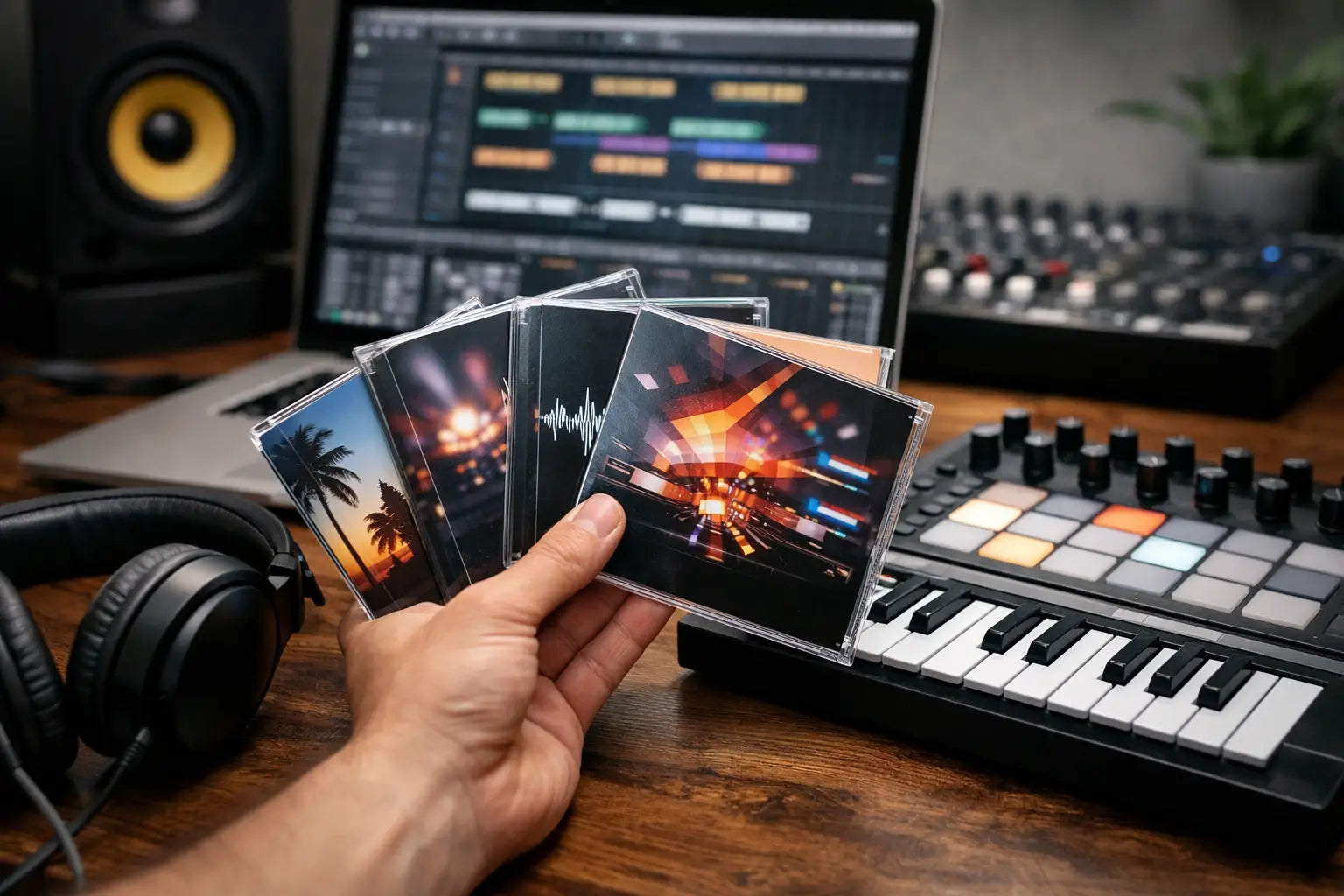
A weak kick and a generic top loop can flatten a tech house idea before the drop even lands. The right tech house sample packs do the opposite - they give you groove, weight, and mix-ready detail from the first eight bars, so you spend less time fixing sounds and more time finishing records.
That matters because tech house is unforgiving. The arrangement can be minimal, which means every drum hit, bass stab, clap tail, and vocal chop has to earn its spot. If your source material is thin, outdated, or overprocessed in the wrong way, the whole track feels cheaper than it should. Good samples do not write the track for you, but they remove the friction that slows good producers down.
What makes tech house sample packs worth buying
Not every pack labeled tech house is actually built for modern club production. Some are packed with filler - dozens of loops that sound nearly identical, basslines that fight the kick, or percussion that feels more like generic house than current tech house. A strong pack is more focused. It gives you fewer dead files, better sound selection, and material that slots into a mix without a full rescue mission.
The first thing to listen for is drum authority. In this genre, the low end has to feel controlled and physical at the same time. Kicks should be solid without swallowing the sub. Claps and snares need enough crack to cut through a busy groove, but not so much harshness that they dominate the top end. Hats, rides, and percussion should add movement, not random noise.
Bass content is the second filter. A lot of producers buy a pack for drums and end up using it for the bass one-shots, loops, and synth hooks. If the bass sounds are weak, too musical, or locked into one tired trend, the pack loses value fast. Good bass material in tech house should feel punchy, simple, and usable across multiple arrangements.
Then there is mix readiness. This is where quality packs separate themselves from hobby-level collections. You want samples that are processed enough to sound exciting, but not so crushed that you cannot shape them. There is always a trade-off here. Fully polished loops can save time, but they can also narrow your options. Cleaner source sounds take more work, but they give you more control. The best packs balance both.
How to evaluate tech house sample packs before you commit
If you are shopping seriously, think like a producer, not a collector. The goal is not to own more folders. The goal is to find sounds that fit your workflow and help you finish better tracks faster.
Check the pack structure
A well-built pack is organized around how producers actually work. That means clear separation between full drum loops, stripped percussion loops, one-shots, bass loops, synth loops, vocals, effects, and presets. If everything is dumped into broad folders with vague names, expect friction later.
You should also look at the ratio of loops to one-shots. Some producers want instant groove and arrangement ideas, so loops carry more value. Others build everything from scratch and mainly want single hits, tops, and bass one-shots. Neither approach is better. It depends on whether you are sketching fast for inspiration or building custom drums with more control.
Listen for current genre accuracy
Tech house changes in small but important ways. Drum swing, bass tone, vocal treatment, and percussion choices move with the market. A pack can be technically clean and still feel a year or two behind. That is a problem if you are aiming for DJ-friendly releases that sit next to current label output.
Genre accuracy does not mean every file should sound identical to whatever is trending. It means the core sound choices feel relevant now. The low end should feel club-minded. The percussion should create movement without clutter. The vocals, if included, should sound useful in real arrangements, not like throwaway filler.
Think beyond the demo
A polished audio demo can make almost any pack sound great. What matters is whether the individual files still work once you pull them into your DAW. Ask yourself a simple question: can these sounds survive outside the demo arrangement? Strong sample packs give you building blocks, not just a good advertisement.
This is especially important with melodic content. Synth loops and bass loops might sound huge in context, but if they are too specific, too saturated, or too harmonically busy, they become hard to reuse. More neutral but high-quality material often gives you better long-term value.
The sounds that usually matter most
For most producers, the real value inside tech house sample packs comes from a few core categories. Drums sit at the top. If the kick, clap, hats, and percussion are right, the groove starts fast and the track already feels expensive.
Bass one-shots and bass loops usually come next. A solid bass source can anchor the whole record in minutes. You still need arrangement, automation, and groove choices, but the tone is already doing a lot of heavy lifting.
Vocals can be a cheat code when they are done well. A sharp phrase, hook, or chopped line can turn a functional groove into something memorable. The catch is that vocals are easy to overuse. If they are too recognizable or too tied to a trend, your track can feel less original. Short, flexible phrases often work better than full toplines for that reason.
Presets are another smart category if you use Serum or a similar synth regularly. A good preset bank cuts down sound design time without trapping you in someone else’s exact mix. In practice, presets work best when they give you a strong starting point that you can still tweak for your own track.
When cheaper packs cost more time
Price matters, but value matters more. Cheap packs can look appealing when the file count is high, yet a bloated pack full of weak material often costs you hours in auditioning, cleaning, layering, and replacement. That is not a bargain. It is delayed progress.
Premium packs usually justify the price when the hit rate is higher. If you open a folder and immediately find usable drums, bass, and groove tools, your session moves faster. That speed matters whether you are making tracks after work or producing for release schedules.
This is where producer-built collections stand out. Packs made by people who actually work inside club genres tend to be tighter, more deliberate, and easier to use. They understand which clap tails feel current, how much transient a tech house kick really needs, and when a percussion loop adds momentum versus clutter. Hot Grooves leans into that producer-first approach because serious producers do not need more files - they need better choices.
Building a smarter sample library
Buying random packs every month is how producers end up with giant folders and no clear sound identity. A smarter approach is to build your library around purpose. One pack might cover drums and percussion. Another might specialize in vocals. A third might focus on bass and Serum presets. That gives you range without drowning your workflow.
It also helps to think in layers. Your main drum pack does not need to do everything. You might use one source for clean, punchy kicks and another for shuffled tops or textured percussion. The key is making sure each pack adds something distinct.
There is also a case for choosing more specialized packs over giant bundles, especially in tech house. Broad bundles can be useful for variety, but highly targeted packs often sound more coherent. If a collection is built around one clear lane of modern club production, the files usually work together better.
How to get more from the packs you already buy
The best producers do not just drag in loops and call it done. They use sample packs as fast, high-quality starting material. Chop the top loop. Layer a one-shot under your clap. Resample the bass phrase. Pitch the vocal down and turn it into texture. Swap groove elements between folders. That is where a good pack keeps paying off.
This is also why clean file labeling and format variety matter. If a pack includes both polished loops and dry one-shots, you can move fast when you want to and customize when you need to. That flexibility is a serious advantage when you are trying to finish tracks at a professional level.
The right tech house sample packs should make your sessions feel sharper from the first minute. Not easier in a lazy way - faster in the way that lets your ideas land while they are still hot, with sounds strong enough to hold up when the track reaches real speakers.
How to Choose a Techno Sample Pack
How to Sample FL Studio the Smart Way