
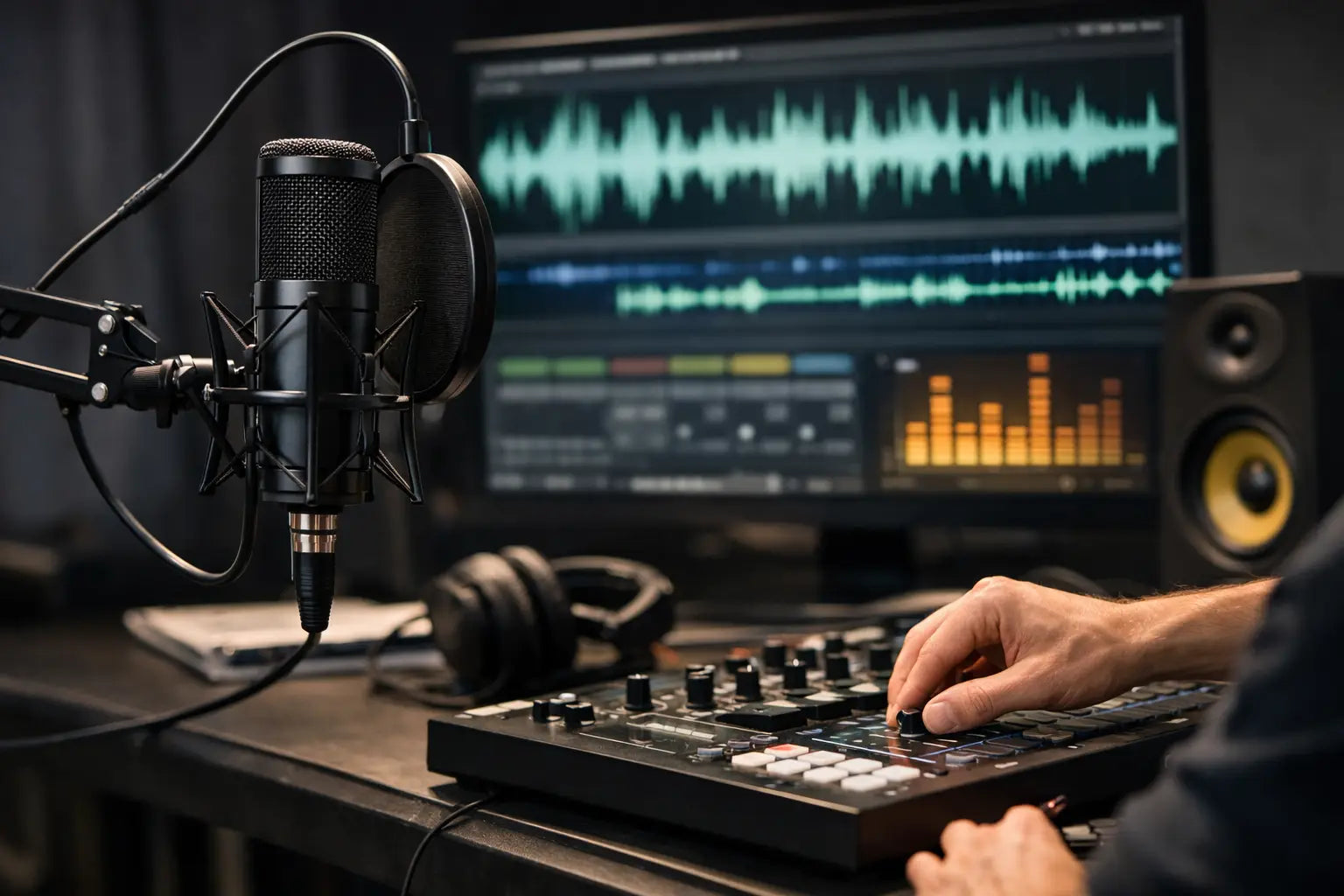
A great vocal loop can do more for an EDM track than another synth layer ever will. Using vocal loops in EDM gives the listener a human focal point, creates instant memorability, and can turn an eight-bar groove into a record with real identity. The catch is that a vocal only works when it earns its space. Drop in the wrong phrase, key, rhythm, or processing chain and even a polished production can start to feel generic.
The fastest route to a stronger result is to treat vocals as part of the arrangement from the first session, not as a last-minute decoration. Whether you are building Tech House, Afro House, Melodic Techno, Bass House, or festival EDM, the vocal needs to reinforce the track's central energy.
Start With a Vocal That Has a Job
Before auditioning loops, decide what the vocal needs to do. Is it the main hook? Is it a tension-building phrase before the drop? Does it provide atmosphere in the breakdown, or is it simply a rhythmic texture sitting behind the drums?
This decision makes sample selection much faster. A short, attitude-heavy spoken phrase can carry a Tech House drop because it leaves room for the bassline and drums. A sustained melodic line may be a better fit for Melodic Techno, where the vocal can stretch across a wider emotional arrangement. In Afro House, call-and-response phrases and organic-sounding chants can add movement without taking over the groove.
Avoid choosing a loop just because the singer sounds impressive in isolation. A huge vocal performance may compete with the lead synth, while a dry one-line phrase may become the detail that makes the record recognizable. Club tracks rarely need constant lyrical information. They need a moment people remember after one listen.
Check key, tempo, and phrasing first
A loop can be technically in key and still sound wrong. Start by confirming the sample's original key and BPM, then pitch it to your track if necessary. Small changes usually sound natural, but extreme transposition can introduce artifacts, unnatural formants, or a weak tone. If you need to move a vocal far from its source key, try a different phrase or use formant control to preserve a more believable character.
Rhythm matters just as much. Listen to where consonants land against the kick and clap. A phrase that sounds good while browsing can fight the groove once it is placed over a four-on-the-floor beat. Warp the audio carefully, cut it into smaller pieces, or shift the entry point so its strongest syllable supports the rhythm instead of masking it.
A useful test is to mute everything except drums, bass, and vocal. If the phrase creates momentum with that stripped-back foundation, it is likely a strong fit. If it only works when a busy arrangement hides the timing issues, keep looking.
Using Vocal Loops in EDM Without Sounding Stock
The concern with vocal loops is obvious: someone else could use the same source. That is a real trade-off, but it is not a reason to avoid high-quality royalty-free vocals. The difference comes from how you arrange, edit, and process the material.
Do not always run a full loop from bar one to bar eight. Pull out one word. Repeat the final syllable. Reverse a breath into a transition. Use a short chop as a percussive answer to the lead. When you reshape the performance around your own groove, the loop stops behaving like a pre-made section and starts functioning as part of the production.
Try creating three versions of the same source: a clean lead phrase, a filtered or heavily delayed support layer, and a chopped rhythmic texture. You can introduce them at different points in the arrangement without asking one vocal to do every job. That approach creates continuity while keeping the record moving.
Layering is effective, but only when the layers serve separate frequencies and roles. A low, spoken vocal can add weight under a brighter sung hook. A pitched-down duplicate may work as an occasional transition effect, but leaving it active throughout the drop can cloud the bass and reduce impact. The goal is contrast, not a stack of vocals competing for attention.
Build a vocal processing chain around the mix
There is no single vocal chain for every EDM record. A bright commercial EDM topline needs different treatment than a dark Techno phrase or a dry House vocal. Still, a few principles consistently produce cleaner results.
Start with corrective EQ. Remove unnecessary low end, especially rumble and proximity buildup that can collide with the kick and bass. Then identify harsh resonances before reaching for a broad high-frequency boost. A vocal that is already sharp will become tiring very quickly when compressed and pushed against a loud electronic arrangement.
Compression should control the performance without flattening its character. For a spoken loop, firmer compression can help it stay upfront and rhythmic. For an emotional melodic phrase, lighter compression with volume automation may retain more movement. If the hook disappears at certain words, automate the level or use clip gain before applying more compression.
Add character after the vocal is stable. Saturation can help a phrase cut through dense synths. A short plate or room reverb can place it in the record, while a timed delay can fill gaps between phrases. Keep returns under control in the low mids. Large reverbs sound exciting in solo, but they can make a drop feel smaller once the kick, bass, and percussion arrive.
For club-focused productions, automate effects instead of leaving them on constantly. Let the final word bloom into a delay before a transition, then pull the vocal dry and direct when the drop hits. That change creates scale without sacrificing clarity.
Arrange the Vocal for Tension and Release
A vocal hook does not need to appear in every section to become the track's identity. In fact, restraint usually gives it more value.
Use the intro to establish a small vocal cue, perhaps a filtered phrase or distant ad-lib that hints at what is coming. In the buildup, reveal more of the hook while reducing competing melodic material. At the drop, decide whether the full vocal should lead the section or whether a single chopped line is enough to punctuate the groove.
For Tech House and Bass House, the most effective move is often a short phrase at the beginning of every two or four bars. It gives DJs and dancers a recognizable landmark without interrupting the rhythm. In Melodic Techno or progressive EDM, a longer vocal can carry the breakdown, then return in fragments after the drop to preserve the emotional thread.
Do not be afraid to leave space after a vocal line. That empty beat or half bar lets the phrase register and gives the bassline room to answer. Producers often overfill this space with risers, fills, and extra synth parts, which makes the record feel busy rather than bigger.
Make the drop feel intentional
When a vocal leads into the drop, its final word should set up the impact rather than soften it. Cut the reverb tail just before the first downbeat for a clean, punchy entrance. Alternatively, print a long tail, reverse it, and use it as a rising transition while keeping the actual vocal dry.
You can also create a recognizable drop tag by processing one word differently from the main vocal. Pitch it down, distort it lightly, or gate it rhythmically. Used sparingly, this becomes a signature detail. Used every bar, it becomes a distraction.
Choose Sources That Match the Genre's Language
Genre authenticity is not only about BPM and sound selection. It is also about vocal attitude. A soulful, expressive singer may be perfect for Afro House or melodic records but feel out of place over a stripped, warehouse-style Techno groove. Likewise, a sharp, playful spoken hook can lift a Tech House track but may undermine a serious cinematic arrangement.
Look for vocal collections that are recorded cleanly, labeled clearly by key and tempo, and organized around the genres you actually produce. That saves time during the most creative part of the process. A focused collection from Hot Grooves gives you source material built for current club arrangements rather than forcing an unrelated acapella into a track that does not need it.
Quality also matters because processing exposes flaws. Poorly recorded vocals become brittle when pitched, compressed, saturated, or stretched. Starting with a clean, well-performed loop gives you more room to shape it aggressively without losing the professional edge your mix needs.
Keep It Original and Release-Ready
Royalty-free does not mean careless. Keep the license for every vocal source you use, confirm what commercial use allows, and save the original file with your project assets. If you are releasing a track, clear documentation makes later decisions easier for you, collaborators, labels, and distributors.
Creatively, make enough changes that the vocal feels embedded in your record. Edit the structure, build custom effects, use your own drums and harmony, and create transitions that belong to the track. The goal is not to hide the sample. It is to make the listener feel that the sample could only have landed in this production.
The best vocal loop is not necessarily the biggest, cleanest, or most emotional one in your folder. It is the one that locks to your groove, sharpens your hook, and gives the track a reason to stay in someone's head after the kick stops.
Techno Drum One Shots for Hard-Hitting Tracks
Loops vs One Shots: Which Builds Better Tracks?