
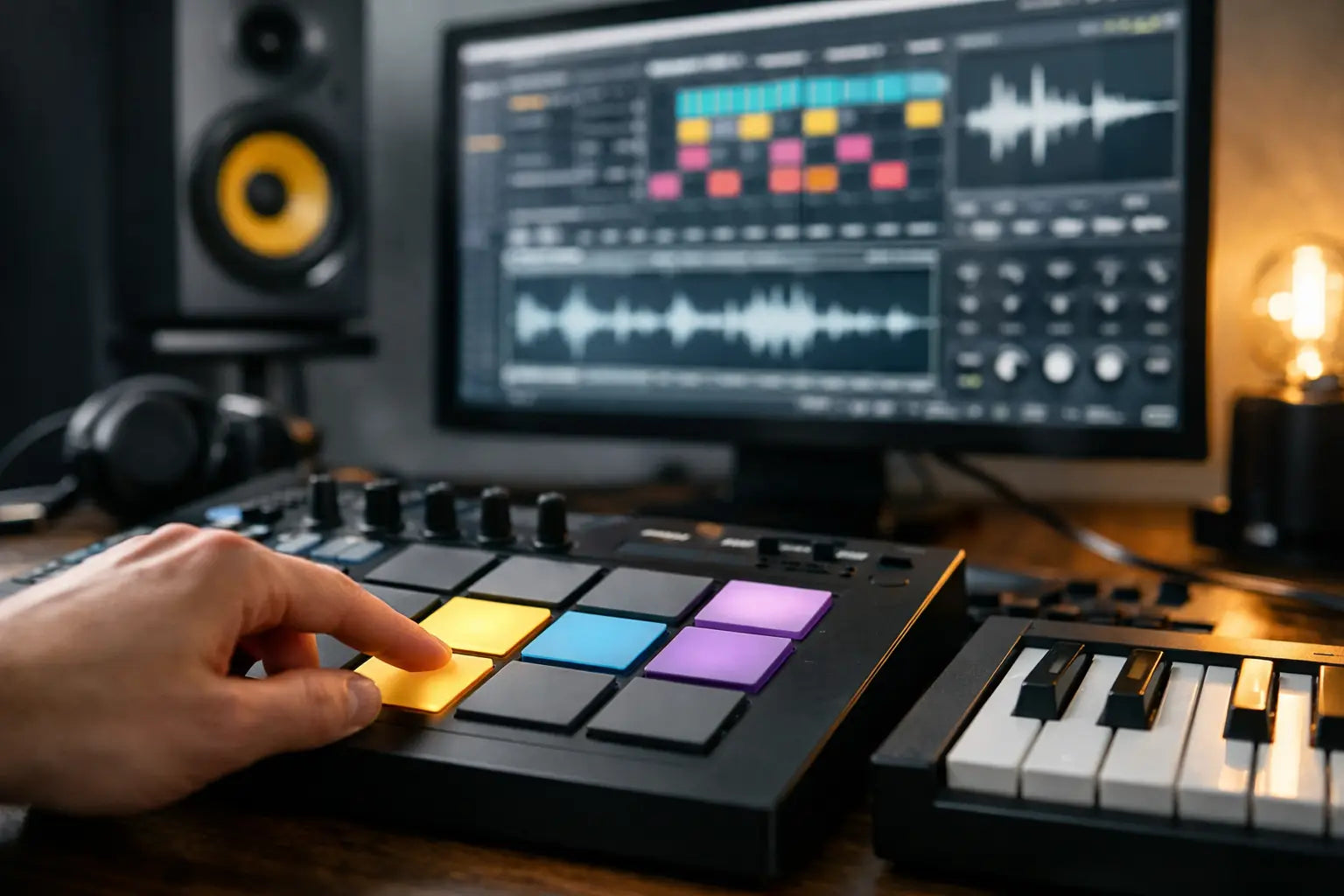
A flat drum loop can make a whole idea feel generic, even when the melody is strong. If you want more control, more punch, and a track that feels less preset, learning how to use one shots is one of the fastest upgrades you can make in your production process.
One shots give you precision. Instead of dragging in a full loop and working around somebody else’s groove, you decide where the kick lands, how the clap breathes, when the percussion pushes, and which transient needs extra weight. That matters in club-focused music, where small timing and sound choices often decide whether a drop feels expensive or amateur.
How to use one shots without overcomplicating it
At the simplest level, a one shot is a single audio hit. That could be a kick, snare, clap, hat, tom, stab, bass hit, vocal chop, FX impact, or synth chord. You load it into a sampler or place it straight on the timeline, then trigger it where you need it.
The reason producers lean on one shots so heavily is speed. You get the tone of custom programming without designing every sound from zero. For Tech House, Afro House, Melodic Techno, Bass House, and EDM, that balance matters. You want tracks that feel original, but you also need to keep momentum while producing.
Using one shots well is less about stacking random hits and more about assigning a clear job to each sound. Your kick handles foundation. Your clap or snare defines backbeat character. Hats create pace. Percussion fills the groove around the drums. Stabs and vocal chops add identity. Once each sound has a role, the arrangement gets easier and the mix gets cleaner.
Start with drums, not with everything at once
If you’re new to one shots, begin with the drum section. It’s the fastest place to hear what single hits can do for a track.
Load a kick that already fits your genre. In Tech House, that might mean a punchy, controlled low end with a tight transient. In Afro House, you may want something rounder with space for layered percussion. In Melodic Techno, the kick often needs weight without swallowing the bassline. This is where sample choice beats excessive processing. A strong kick one shot saves you ten moves later.
Then build around it with clap, snare, hats, and percussion. Program a simple pattern first. Four-on-the-floor kick, clap on two and four, closed hats for motion. After that, add personality with offbeat percussion, light ghost hits, and subtle swing.
The big advantage here is control over groove. Loops can sound polished, but they lock you into somebody else’s timing. One shots let you push a shaker slightly late, place a rim hit before the clap, or leave intentional gaps. That’s where club records start to feel alive.
Layering one shots the right way
Layering is useful, but it is also where producers start wrecking otherwise good drums. If two sounds solve the same problem, they usually fight each other.
A better approach is to layer by function. Pair a kick with a clicky top only if the original kick lacks attack. Add a clap with a short snare tail if you want more body on the backbeat. Layer a hat with a light noisy texture if the groove needs air. Each extra sound should bring something specific - attack, weight, width, texture, or tone.
If the layer doesn’t improve the part in a clear way, mute it. Bigger is not always better. In dense electronic arrangements, cleaner drums often hit harder.
Use one shots for bass and musical hooks
Drums are the obvious use case, but one shots are just as effective for bass and musical accents.
A bass one shot can be loaded into a sampler and played across the keyboard for a fast, usable low-end idea. This works especially well when you want a strong tonal starting point without opening a synth and building a patch from scratch. For short house basslines, a single sampled note with the right envelope can carry the groove surprisingly far.
The trade-off is flexibility. A sampled bass hit may sound great in one range and fall apart in another, especially if you pitch it too far. If you need expressive movement, automation-heavy modulation, or long evolving notes, a synth patch will usually give you more control. But for tight, repetitive club bass patterns, one shots can be efficient and effective.
The same logic applies to synth stabs, chords, and plucks. A well-made one shot stab can become the hook of a track in minutes. Trigger it rhythmically, chop it into call-and-response phrases, or resample it after processing. You are not limited to dropping it on beat one and leaving it there.
Vocal one shots and chops
Vocal one shots are one of the fastest ways to give a track identity. A short phrase, breath, shout, or tonal chop can act like percussion, melody, and branding all at once.
The key is restraint. One strong vocal hit repeated with intention usually lands harder than ten chopped phrases fighting for attention. In house and techno, vocals often work best when they support the groove instead of dominating it.
Pitching, formant shifting, filtering, and reverb throws can turn a simple vocal one shot into a signature moment. Just make sure it still serves the track. If every chop sounds processed for the sake of being processed, the energy drops fast.
How to make one shots sound professional in the mix
Good one shots can still sound weak if they are dropped into a session without context. The sample matters, but placement and processing matter too.
First, check tuning where it applies. Kicks, bass hits, toms, and tonal percussion can clash with the key of your track. Not every drum must be perfectly tuned, but obvious low-end conflict will cost you punch. A small pitch adjustment can tighten the entire groove.
Second, shape the envelope. In a sampler, attack, decay, sustain, and release are part of the arrangement. Shortening a tail can create space. Tightening a hat can improve bounce. Trimming the release on a bass one shot can stop overlap with the next note. These are small moves, but they clean up the track quickly.
Third, process with purpose. EQ out frequencies you do not need. Use transient shaping if a hit needs more snap. Saturate lightly if the sample feels too sterile. Add reverb only when you want depth, not because every sound needs space. A dry, controlled one shot often works better in club music than a washed-out one.
Bus processing also helps. Group your percussion, hats, or layered claps so they feel like one section instead of disconnected hits. Gentle glue compression or saturation on a bus can make programmed one shots feel more cohesive.
Build variation so the track does not feel robotic
One shots give you control, but they can also make patterns feel rigid if every hit is identical. The fix is not complicated.
Vary velocity. Nudge timing slightly. Alternate between two similar hats or percussion hits. Change the final hit in a repeating bar. Add a low-level ghost note before a main snare or clap. These moves create motion without making the groove messy.
This is especially important in genres built on repetition. A Tech House loop can run for minutes, so micro-variation keeps it working. Afro House often relies on percussive conversation, so static programming will feel flat. Melodic Techno benefits from disciplined repetition, but even there, subtle shifts help maintain tension.
When one shots are better than loops - and when they are not
One shots are ideal when you want control, cleaner arrangement decisions, and a groove that feels more personal. They are also useful when you need to swap sounds quickly without rewriting the whole rhythm.
Loops still have value. They can deliver instant inspiration, natural movement, and layered detail that would take longer to program from single hits. If you are moving fast in the idea stage, a loop may get you to the core of the track sooner.
The smart move is not choosing one forever. It is knowing when each format serves the record. Many producers sketch with loops, then rebuild key sections with one shots for better control. Others program drums from one shots and layer a top loop for texture. That hybrid workflow is often the sweet spot.
A faster workflow for better tracks
If you want better results from one shots, organize them by role and genre. Keep separate folders for kicks, claps, hats, percussion, bass hits, stabs, vocals, and FX. Within those folders, sort by sound character - punchy, deep, bright, dusty, wide, aggressive, minimal. That makes decisions faster when the session is moving.
It also helps to build small go-to kits. A few kicks you trust, a set of claps for different moods, a handful of hats that always sit right. Producer-built sample libraries are valuable here because they cut out the filler and give you sounds that are already dialed for modern electronic production. That is exactly why so many producers use curated packs from brands like Hot Grooves instead of wasting hours digging through weak samples.
The real win with one shots is not just better drums or cleaner hooks. It is momentum. You spend less time fixing bad source material and more time arranging, building tension, and finishing records that actually hold up on club systems.
The next time a session feels flat, don’t reach for more plugins first. Start with stronger single hits, place them with intent, and let the groove do the heavy lifting.
How to Use Sample Packs in Real Tracks
Sample Packs vs Presets: What to Buy First